
South Salt Lake Warehouse & Industrial Space for Lease
South Salt Lake is the older infill belt right below downtown Salt Lake City, west of I-15, running roughly 2100 South to 4700 South. It carries the largest single building count in the valley, more than a thousand buildings, on the second-oldest median vintage after Downtown. This is urban-adjacent infill: older, small-bay, and built for contractors, urban distributors, and service operations that need to sit close to downtown without paying downtown rent.
One thing to clear up before you shop it. The building count here, 1,093, comes from a submarket whose conventional name points at the south end of the valley, and that name misleads. The suburban south end (Sandy, Draper, West Jordan, Bluffdale) is newer, bigger-box, and a different market. This corridor is the urban belt south of downtown. Ignore the label and read the buildings.
What a building rents for here is driven by finish and how close it sits to downtown, not by warehouse specs. This belt below the core is older and dock-poor, so an unimproved bay and a built-out suite on the same block can rent at very different numbers. Tell me what you're putting in the space and I'll tell you where it's pricing. Current South Salt Lake availability is on the live listings, and a read on your specific building is a quick call.
What kind of industrial submarket South Salt Lake is
Older urban-adjacent infill, south of downtown SLC and north of Murray, west of I-15, along the older industrial arterials between about 2100 South and 4700 South. Not suburban warehouse, and not the south-end big box the data's naming convention hints at.
The composition makes the distinction concrete. Median building dates to 1975, and almost two thirds predate 1980. Median footprint runs about 10,000 SF, Class C accounts for 84% of the inventory, and Class A numbers three buildings out of more than a thousand. Ownership is private and operator-side, led by long-time local landlords, with no institutional roster.
The submarket serves the downtown gravity well: contractors, urban distributors, services, and light-industrial users whose customers and crews sit in central Salt Lake. It shares that job with nobody else in the valley at this depth, which is the whole reason small operators keep landing here.
Why the South Salt Lake corridor works for urban-adjacent operations
Location. The corridor sits immediately south of downtown, so a contractor, urban distributor, or service operator that needs central Salt Lake's orbit can land here without paying downtown rent. Drive times to downtown labor and customers are short, and I-15 connects to the rest of the metro in minutes.
Labor. South Salt Lake pulls workforce from the dense central-Salt-Lake population, and the commute geometry works for the small-bay multi-tenant operations that fill the inventory.
Depth at small-bay scale. More than a thousand buildings sit in a relatively small footprint, so almost any small-to-mid-size requirement finds several options. The density of inventory under 25,000 SF is the deepest in the valley, which is why urban-adjacent operators consistently find a fit.
What South Salt Lake does not offer is modern logistics specs, big-box footprints, or Class A product. If you need them, this isn't the submarket, and I'll point you to the right one on the first call.
The building stock in the South Salt Lake submarket
Overwhelmingly older infill at small-bay scale, with thin overlays of mid-size and modern product that don't move the character.
Vintage is the most extreme outside Downtown. More than six in ten buildings predate 1980, and post-2000 stock is negligible (88 buildings from 2000 to 2019, only 4 from 2020 on). The corridor doesn't deliver new supply. It turns over.
Median 10,000 SF, half the inventory under 10,000 SF, more than three quarters under 25,000 SF. Over 50,000 SF is uncommon and over 100,000 SF is rare. This is one of the smallest-bay submarkets in the valley by median.
Class C is 84% of the stock, Class B most of the rest, and Class A is three buildings out of more than a thousand. It can't add Class A without redevelopment that would consume the parcels for higher uses, the same trajectory as Downtown. Clear heights here run 12 to 20 feet, and more than three quarters of buildings carry no dock or drive-in.
The denser pockets sit along the State Street corridor on the east side, the 500 West and 700 West mid-corridor, the 3300 South arterial, and the unincorporated county pockets between about 3500 South and 4500 South, many carrying Salt Lake City mailing addresses.
Who owns and develops industrial property in South Salt Lake
Private and operator-side, with one large local landlord and a long tail behind it. Harrison Properties holds 24 buildings, the largest single concentration here, with Woodbury Corporation, Doctorman Joe & Son, Brinkerhoff Allan T, and a long run of family-named ownership behind it. There's no institutional roster on the order of what Airport, California Avenue, or West Valley carry.
New development effectively doesn't happen. Essentially no developer is active in the submarket (First Industrial Realty Trust appears once). The inventory turns over through tenant rollover, owner-occupant moves, and the gradual conversion of older parcels to higher uses. Some older buildings get repositioned for creative office, food and beverage, or makerspace, the same drift as Downtown, which shrinks the industrial base at the margins.
For a tenant, that means you're usually across the table from a private operator-owner, a family-held landlord, or a small investor, and lease structure and TI flexibility vary a lot by counterparty. For an investor, the bid pool is private and operator-side, institutional industrial capital is essentially absent, and the inventory trajectory makes it likely to stay that way.
How new supply gets delivered in South Salt Lake
It largely doesn't. New construction has been essentially zero for several years. The pattern matches Downtown: the inventory shrinks at the margins as older parcels get demolished or converted to residential, office, and mixed-use, and the long arc is gradual contraction.
So supply isn't a variable you time here. Product comes to market when a long-time owner exits, a family operator winds down, or a small landlord lists. The pace is slow and uneven, so plan a longer search than you would in a deeper-supply submarket, and don't underwrite on new construction showing up. It isn't coming.
South Salt Lake industrial product types compared
| Product type | Typical tenant / use | Building profile | Clear height | Rent tier |
|---|---|---|---|---|
| Big box / bulk | No modern big box; older small-format urban distribution | Almost all under 30K SF; grade-level loading common | Below 20 ft across most of the stock | Lowest $/SF |
| Specialized industrial | Light manufacturing, fabrication, contractors & trades, urban distribution | Mid-size single or multi-tenant, older construction | 16 to 22 ft | Mid |
| Flex | Office-heavy users, contractors, services, urban-adjacent operations | Smaller bays, higher finish, more parking | 12 to 18 ft | Highest $/SF |
What I'd tell you before you lease or buy here
Tenants: the question is whether urban-adjacent location is a real requirement or just a preference. Contractor serving downtown, urban distributor, service operation with a downtown customer base, or a small light-industrial user that lives off central Salt Lake gravity, and this submarket fits, with enough small-bay depth that you'll have options. If the urban address is only a nice-to-have, you'll get more building for your money in West Valley's older eastern stock, in Murray's East Murray corridor, or in Taylorsville-Kearns. Don't pay the urban-adjacent premium for a use case that doesn't need it.
Owners: your edge is location and small-bay density. The inventory is tight at small footprints because there's no new supply coming and the parcels are too small for institutional development. Position to the tenants whose use case requires the geography (contractors, urban distribution, services, light flex, creative-industrial), not to suburban tenants who'd do better in a newer submarket. On the right building, a conversion to creative-office or food-and-beverage finish is often where the yield sits.
Investors: South Salt Lake trades as an urban-adjacent infill play more than a traditional industrial one. The bid pool is private investors and operator-users, and institutional capital is essentially absent. Because the inventory contracts over time through conversion to higher uses, long-term value ties to the land's eventual highest and best use, not the industrial cash flow alone. So the cap rate turns on the exit you're underwriting, whether you're holding an industrial lease or converting the shell to a higher use, and where financing sits against each. Bring me the deal and I'll price it with you. Call me.
South Salt Lake industrial submarket: common questions
How does South Salt Lake industrial rent compare to other Salt Lake submarkets? On a per-foot basis it runs at or a little above the metro blended for the flex and converted-use product, because the urban-adjacent location commands a premium. The older traditional industrial runs below the blended on a like-spec basis, because the stock is older and lower-class. You're paying for location, not for building specs. Current space is on the live listings. Call me with the use you have in mind.
What clear heights do warehouses in South Salt Lake have? The typical building runs 12 to 20 feet. Older small-bay sits in the mid-teens, and the mid-size 1970s and 1980s product reaches the low 20s. You will not find modern 32-foot clear in this belt, and the year the building went up tells you that before you walk it.
Is South Salt Lake a good submarket for distribution or 3PL? For modern regional distribution and 3PL, no. The stock doesn't support modern dock count, clear height, or trailer parking at scale. For urban distribution serving downtown and central Salt Lake (a real use case for contractors, food and beverage, last-mile, and services), it works well, because the location is structural and the small-bay inventory is deep. It's a different distribution economy than the suburban big-box submarkets.
What size spaces does South Salt Lake have? Almost everything under 50,000 SF, with the majority under 25,000 SF. Between 50,000 and 100,000 SF is uncommon, and over 100,000 SF is rare. The strength here is small-bay density, not large-format scale.
How does South Salt Lake compare to Downtown, California Avenue, and Murray? Downtown, the immediate northern neighbor, runs even older and smaller with more pronounced converted-use character. California Avenue sits west across I-15 and runs the broadest inventory in the valley, including the modern big box South Salt Lake lacks. Murray, the immediate southern neighbor, the East Murray belt, runs similar small-bay older infill on a close vintage. See all Salt Lake Valley submarkets.
What does industrial space in South Salt Lake cost to lease or buy? Finish and location set the number here, and warehouse specs matter less than either. A raw industrial bay, a light-flex space, and a shell repositioned for creative office or food and beverage each carry their own number, and proximity to the downtown core pushes the finished product up. Tell me the use and the finish level and I'll tell you where it lands, and show what's available: current listings or call me.
Is there warehouse space for rent near me in South Salt Lake? This is the deepest small-bay search in the valley. South Salt Lake runs roughly 2100 South to 4700 South west of I-15 and carries the largest single building count in the metro, more than a thousand buildings, with almost everything under 50,000 SF and the majority under 25,000. Current South Salt Lake listings show what is open right now.
Have a requirement or a building in the South Salt Lake corridor? Call me and I'll tell you what it's worth as industrial and what it's worth converted. Contact Colter
Colter Smith, CRES Utah · saltlakewarehouses.com
By Colter Smith, Commercial Real Estate Agent · CRES Utah
Available Space in South Salt Lake
0 listings available now
Current asks in South Salt Lake: $0.60 to $1.05 per SF per month, from the live CRES listings on this page, October 2026.
Every current South Salt Lake match is a brokerage listing from another CRE Specialists agent, below.
More CRES Industrial Listings
Industrial and flex listings from other CRE Specialists agents. Each inquiry goes directly to the listing agent.
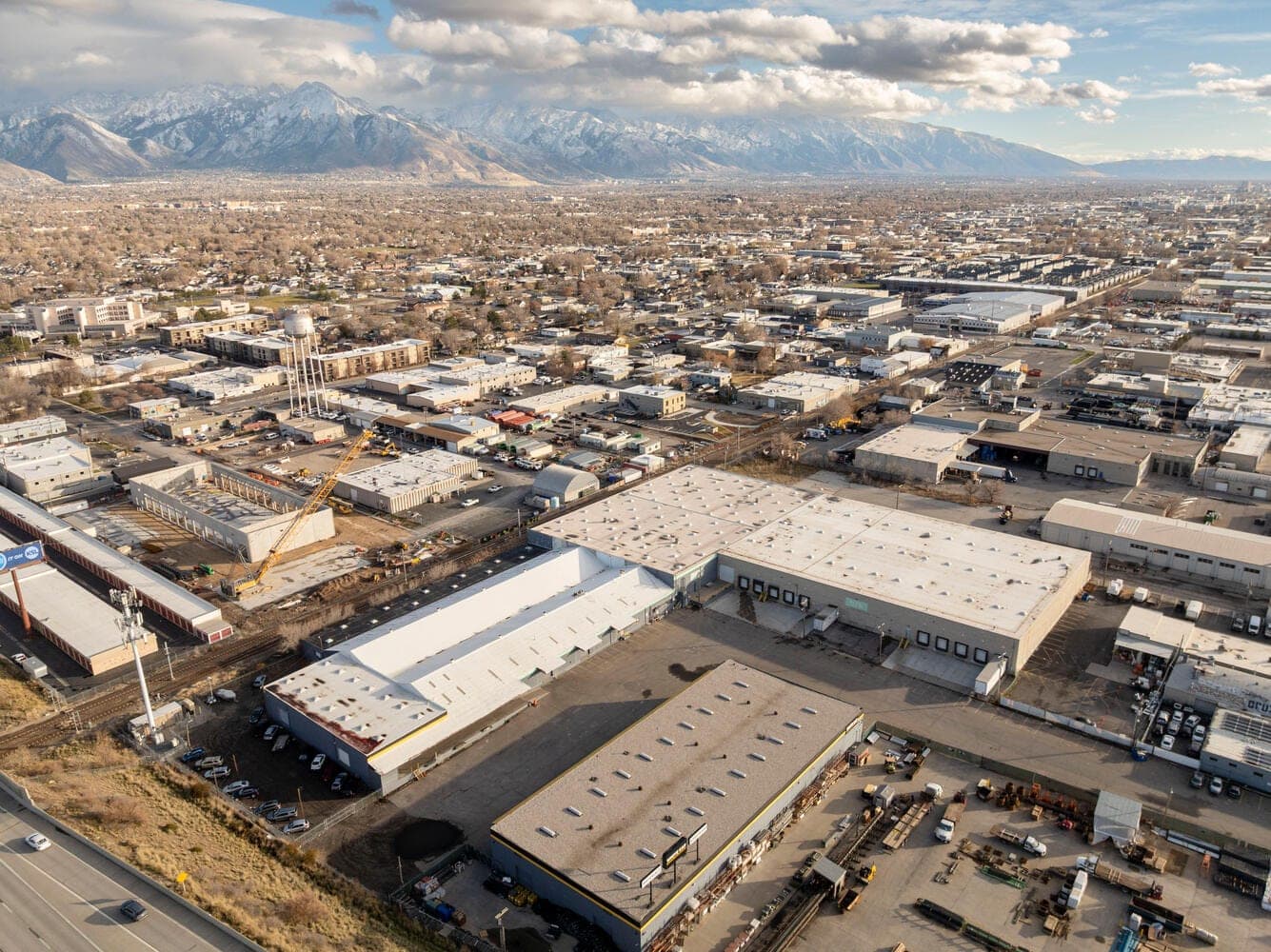
Anchor 3PL Sublease: 2507 S 300 W
Salt Lake City, UT
Listed/Updated October 2026
Listed by Justin Welch, CRE Specialists
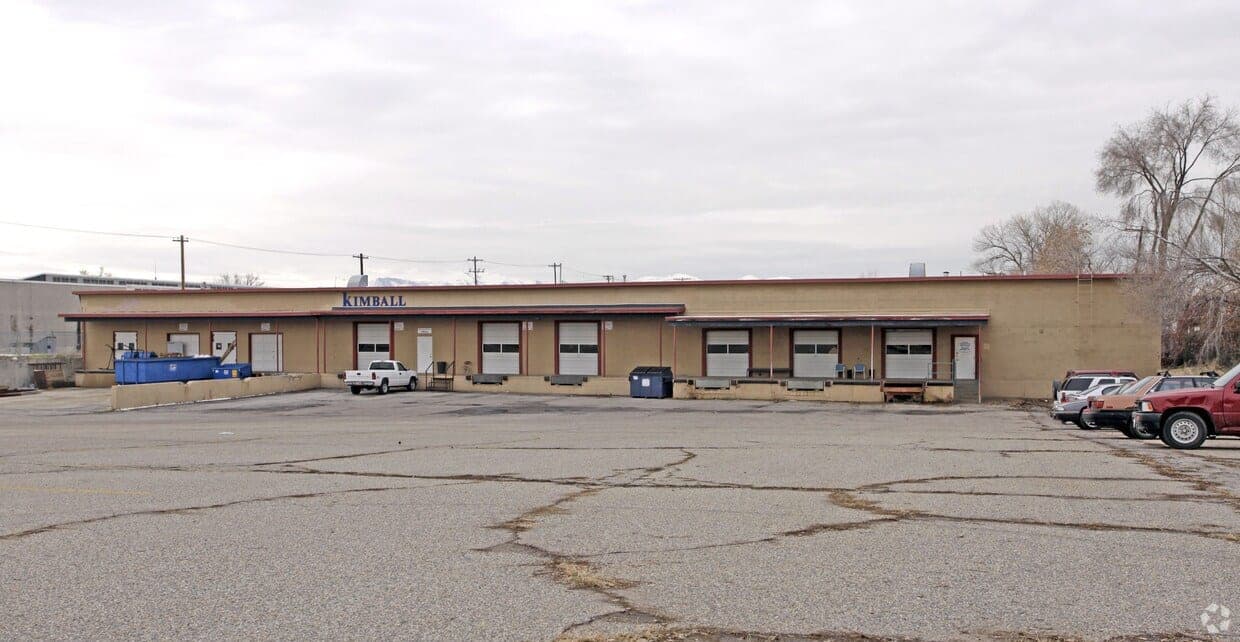
2233 South 300-400 East, Unit C
South Salt Lake, UT
Listed/Updated October 2026
Listed by Jeff McComas, CRE Specialists
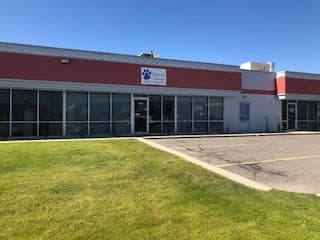
South Salt Lake Warehouse, Unit 549: 549 W 3560 S
South Salt Lake, UT
Listed/Updated October 2026
Listed by Justin Welch, CRE Specialists
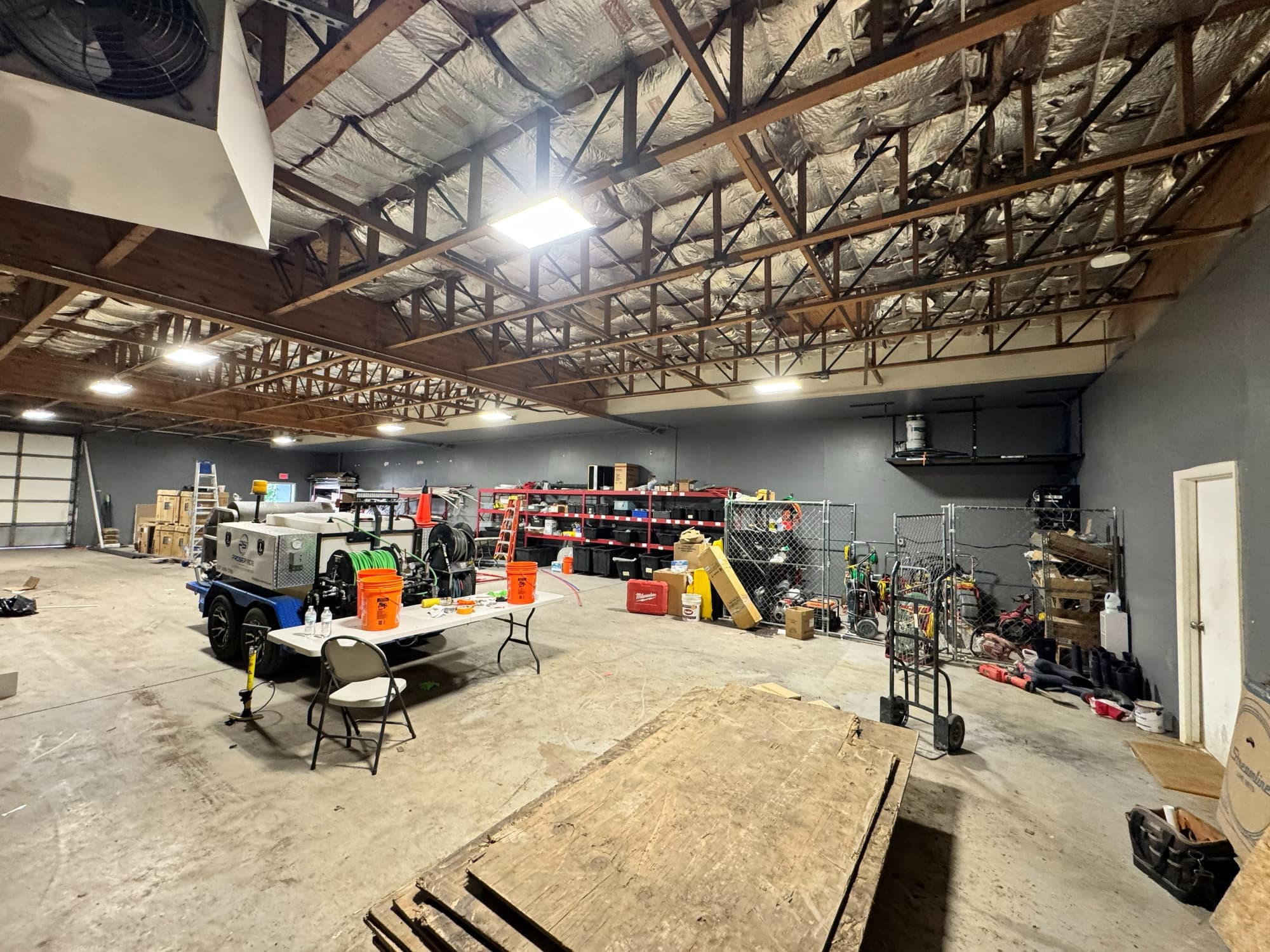
South Salt Lake Warehouse, Unit 540: 549 W 3560 S
South Salt Lake, UT
Listed/Updated October 2026
Listed by Justin Welch, CRE Specialists
The broker's read
July 2026South Salt Lake is the tightest small-bay market I work, and it has been for years. The corridor is built out, nothing new is coming through the pipeline, and every landlord I talk to knows it. When a true warehouse unit with a door comes open here, it leases; our 583 W Billinis units and the West Temple flex space both proved it this year. If you own here, scarcity is your friend. If you're hunting here, tour fast and bring your financials.
By Colter Smith, Commercial Real Estate Agent · CRES Utah
Licensed Utah real estate agent, UT Lic. #12359735-SA00. About Colter
Own property in South Salt Lake?
Get a free broker opinion of value. No listing required. We'll tell you what your property is worth in today's market.
Get a Free ValuationLooking for space in South Salt Lake?
Browse all available listings, filtered and ready. Or tell us your requirements and we'll source off-market options.
Browse Available Listings