
Sandy Warehouse & Industrial Space for Lease
Sandy is a supply-constrained, owner-user submarket on the affluent east bench, and it's the first place people in the south valley talk themselves into for the wrong reason. It covers Sandy proper between Midvale to the north and Draper to the south, with I-15 on the west edge and TRAX running the spine along Sandy Parkway and 9400 South. The working geography is 9000 South, 9400 South, 10600 South, and the 500 West, 670 West, and 700 West frontage. This is not where the valley runs regional distribution, and treating it like it is will be the first mistake you make here. Sandy is one of five cities in the South Valley.
What a space here rents or sells for turns on the building, not on a Sandy average. Most of the stock is small-bay under 25,000 SF, and about three quarters of it has no dock and no drive-in, so the number moves on how cleanly the bay demises, on condition, signage, and parking, and on whether you're buying as an owner-user or leasing. Tell me what you need and I'll point you to where that kind of building sits now. Current Sandy availability is on the live listings, and a read on your specific building is a quick call.
What kind of industrial submarket Sandy is
Sandy is older small-bay infill with a real flex weighting and a thin layer of Class A on top. The median building dates to the mid-1990s with a tail back to the 1970s, the median footprint runs around 15,000 SF, and roughly seven in ten buildings come in under 25,000 SF. About three quarters have neither a loading dock nor a drive-in, which tells you what the typical bay actually is. Class C is the modal grade, Class B fills most of the rest, and there are about 10 Class A buildings, which is the one thing that separates Sandy from Midvale next door.
Ownership is where the submarket shows its hand. There are no institutional landlords here. The top owners by building count are local: Perry Commercial and Roderick Realty Services each hold double digits, and Synergy Development is the rare active local builder. When a building trades, the buyer is usually an owner-user putting their own operation into it, not an investor buying a stabilized asset. That pattern is the structural fact about Sandy.
Here's what people get wrong. They underwrite Sandy on south-valley logistics math. Bluffdale-Riverton is the big-box corridor and West Jordan is the mid-market distribution submarket. Sandy is neither. If you're expecting a 32-foot-clear modern bay at owner-user pricing, you're underwriting the wrong submarket, and Sandy's supply is too thin to waste a search cycle finding that out.
Why the Sandy corridor works for owner-users
Three things make Sandy work for the tenants who belong here.
Location. Sandy sits central to a dense, affluent south-valley population, with I-15 frontage on the west and direct east-west arterials on 9000, 9400, and 10600 South. For a contractor serving south-valley residential, a professional-services flex tenant, or an owner-user whose customers are anchored down here, the address geometry pays more than freeway routing does.
Scale. The typical building is SBA-financeable and owner-occupiable. A median footprint in the mid-teens of thousands of feet is exactly the size where an operator buys instead of leases, and with no institutional pipeline to compete against, the whole deal flow sits at a price an owner-operator can write.
Transit. TRAX runs the spine along Sandy Parkway and 9400 South. For an employee-heavy flex tenant, rail access is a real edge over the logistics corridors to the southwest that have none, and it's part of why Sandy's flex weighting (about 27% of buildings) runs higher than theirs.
Where we work in Sandy
I'd rather show you where I actually have deals than talk about the corridor in the abstract. CRES represents Sandy Industrial Park, one of our exclusive Sandy parks, so this is first-hand deal flow in the submarket. The owner-user pattern isn't theory here either. We closed an off-market Sandy owner-user sale that went from handshake to closing in 32 days, which is the kind of speed a thin, privately-owned submarket rewards when the building and the buyer actually fit. Current Sandy availability sits with the rest of our listings on the live listings page.
The building stock in Sandy
The inventory runs older, smaller, and more multi-tenant than the newer projects get credit for.
Vintage. About one in seven buildings predates 1980. More than half date to the 1980s and 1990s, when Sandy filled out alongside its retail and residential growth. The 2000-and-newer share is real but not dominant, and the Class A buildings cluster along 700 West and Sandy Parkway near Millennium Way.
Size. Median around 15,000 SF, with almost half the buildings under 10,000. Buildings over 100,000 SF are rare, single digits across the whole submarket. This is small-bay infill.
Loading and clear height. Three quarters of the stock has no dock and no drive-in, so loading happens at grade or not at all. The buildings that do carry docks run a median of two. Clear heights sit around 16 to 22 feet in the typical building. If your operation needs modern logistics height, vintage tells you the answer before you tour.
Who owns and develops in Sandy
Ownership is private and operator-side, top to bottom. No national REIT holds Sandy product the way Link Logistics and its peers hold the Airport. The top owners are local private investors (Perry Commercial and Roderick Realty Services in double digits), with Synergy Development as the one active local builder and a long tail of individual owner-operators. The Redevelopment Agency of Sandy City and UDOT show up as quasi-public holders.
For a tenant, that means you're usually across the table from the owner, not an asset manager, and TI flexibility and deal speed run differently because of it. For an investor, it means you're underwriting against private sellers in an owner-user market, which changes whether a value-add play has a clean exit.
How new supply gets delivered in Sandy
Supply is thin and arrives one building at a time, not in master-planned parks. Nothing large is in the pipeline. Recent deliveries have been small, sub-30,000-SF builds along 700 West and Millennium Way from local developers, Synergy Development most active among them. Over the past decade Sandy's inventory grew by single-digit percentage points while the rest of the metro expanded hard.
Read that as structural, not cyclical. Don't expect a delivery wave to reset rents the way one can at the Airport. It tightens leverage for owners with well-positioned product, and it means a Sandy requirement needs a longer runway. Space comes available when an owner-occupier moves or a small landlord lists, not on a developer's calendar, so a 90-day search here usually ends in disappointment.
Sandy industrial product types compared
| Product type | Typical tenant / use | Building profile | Clear height | Rent tier |
|---|---|---|---|---|
| Bulk logistics / big box | Limited here; small-format regional and local-service distribution | Sub-30K SF at the top of what trades; light dock count where any exists | Below modern specs in the older stock; mid-20s ft in the few newer buildings | Lowest $/SF |
| Specialized industrial | Local manufacturing, light processing, contractors and trades, owner-users | Mid-size single-tenant or small multi-tenant | Roughly 18 to 22 ft | Mid |
| Flex | Office-heavy users, light assembly, showroom & service, professional trades | Smaller bays, higher finish, more parking, TRAX-adjacent in pockets | Roughly 14 to 18 ft | Highest $/SF |
What I'd tell you before you lease or buy here
Tenants: decide honestly whether you belong in Sandy or whether you talked yourself into it because it sounds like the south valley. Contractors, local trades, small flex users, and owner-users under about 25,000 SF fit, and the address pays off. If you need modern dock count, 32-foot clear, or a 50,000-SF-plus box, look at West Jordan, Bluffdale-Riverton, or the Airport before you burn a search cycle here.
Owners: your edge is that no institutional delivery wave is coming to undercut you. Your competition is other small private owners, so compete on condition, parking, signage, and how cleanly the bays demise for a small-bay tenant. Don't price older Class C like it's a modern box, because it isn't and you'll sit.
Investors: this is an owner-user market more than an investment market, and what you're actually underwriting drives the number more than any blended figure. With no institutional buyers competing here, value turns on the building's condition, its parking and access, and whether the likely buyer is an owner-occupier or a landlord. Send me the address and I'll tell you where it prices today. Call me.
Common questions
How does Sandy industrial rent compare to other Salt Lake submarkets? Blended, Sandy runs above the bulk-logistics corridors and roughly in line with the older central-valley infill, but the blended number hides what matters. Sandy's mix leans small-bay and flex, and small-bay flex is the highest-rent product per foot anywhere. Compare like product to like product before you draw a conclusion. What's open now is on the live listings, or call me with the spec.
What clear heights will I find in Sandy? Roughly 16 to 22 feet in the typical building. The older small-bay stock sits in the mid-to-high teens, and the thin modern overlay reaches the mid-20s in a handful of buildings. If you need 32 feet and up, Sandy isn't your submarket and vintage tells you that before you tour.
Is Sandy good for distribution or 3PL? Not for regional freight. Modern distribution, fulfillment, and 3PL belong at the Airport, West Valley, West Jordan, or Bluffdale-Riverton, where the big-box product and freeway geometry line up. Sandy fits local-service distribution, owner-user operations, and small-format users serving the south-valley population.
What size spaces does Sandy have? Almost everything that trades here is under 50,000 SF, with the bulk in the 5,000 to 25,000 SF range. A few buildings push past 100,000 SF but they're rare. If your requirement is over about 50,000 SF, the pool thins fast and you should plan a long search.
How does Sandy compare to Midvale, Draper, and West Jordan? Midvale sits immediately north, similar in character but older, smaller, with zero Class A. Draper is the southern neighbor with a flex and tech tilt on newer product. West Jordan is the step up when you need modern specs or a larger footprint than Sandy carries. See the parent South Valley hub and all Salt Lake Valley submarkets.
What does Sandy space cost to lease or buy? That depends on the specific building. A mid-1990s small-bay unit off 9400 South with 16-foot clear and no dock rents nothing like one of the ten-odd Class A buildings up by 700 West and Sandy Parkway, and both are 'Sandy.' Finish and whether you're buying or leasing move it further. Give me the spec and I'll show you what that building is doing now, plus what's open: current listings or call me.
Is there warehouse space for rent near me in Sandy? Yes, though supply is tight and that is the thing to plan around. Sandy covers the stretch between Midvale to the north and Draper to the south along I-15, almost everything that trades is under 50,000 SF with the bulk between 5,000 and 25,000, and past about 50,000 SF you should plan a long search. Current Sandy listings are the fastest read on what is actually open.
Have a requirement or a building in the Sandy corridor? Call me and I'll tell you what it's worth, and whether you ought to be buying it instead of leasing it. Contact Colter
Colter Smith, CRES Utah · saltlakewarehouses.com
Two Sandy deals are written up in full: the Sandy flex case study at Sandy Industrial Park, and a recent off-market Sandy sale, closed in 32 days.
By Colter Smith, Commercial Real Estate Agent · CRES Utah
Available Space in Sandy
5 listings available now
Current asks in Sandy: $1.00 to $1.50 per SF per month, from our live listings, September 2026.
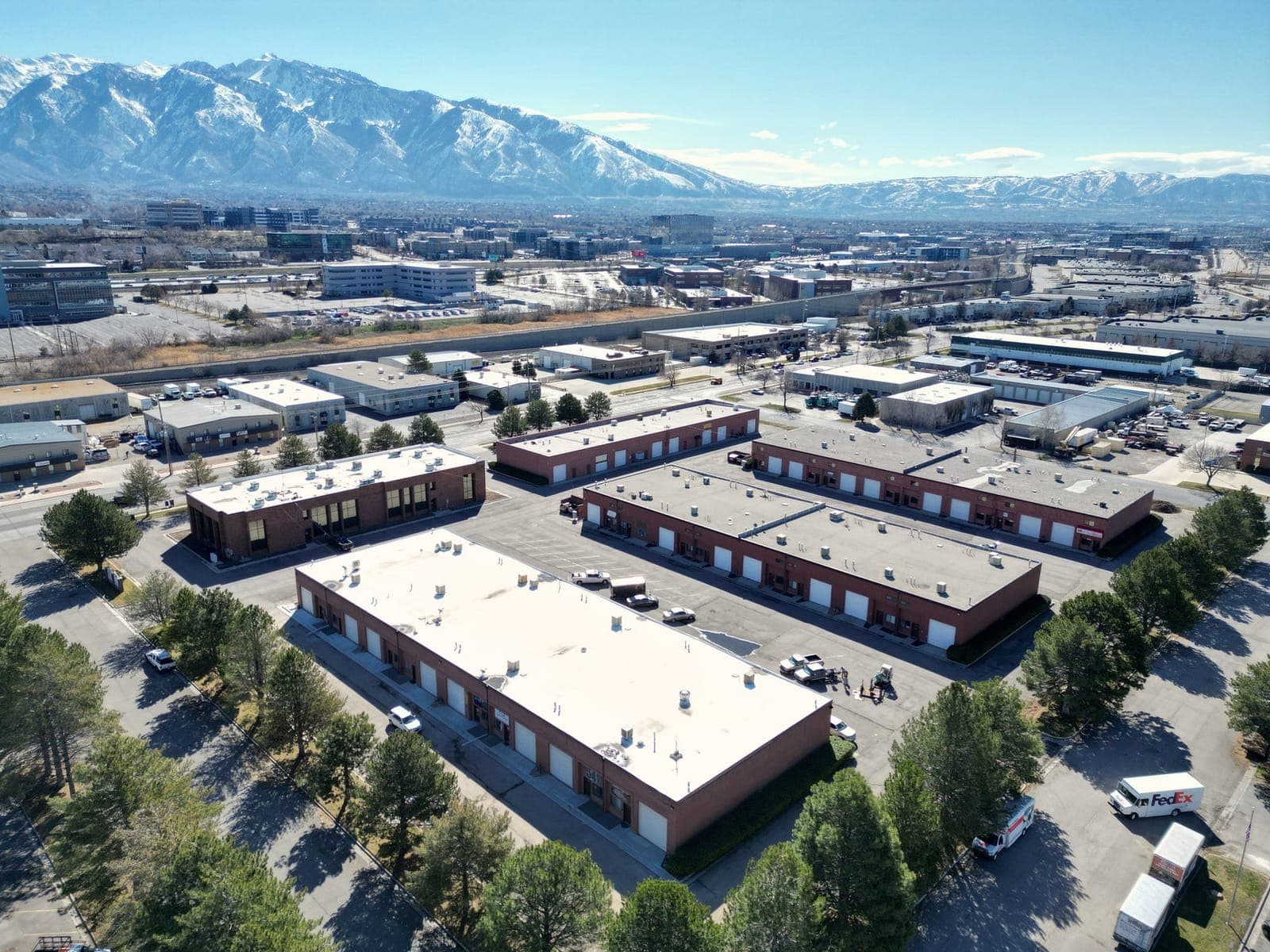
Sandy Industrial Park: Unit 542
Sandy, UT
Listed/Updated July 2026
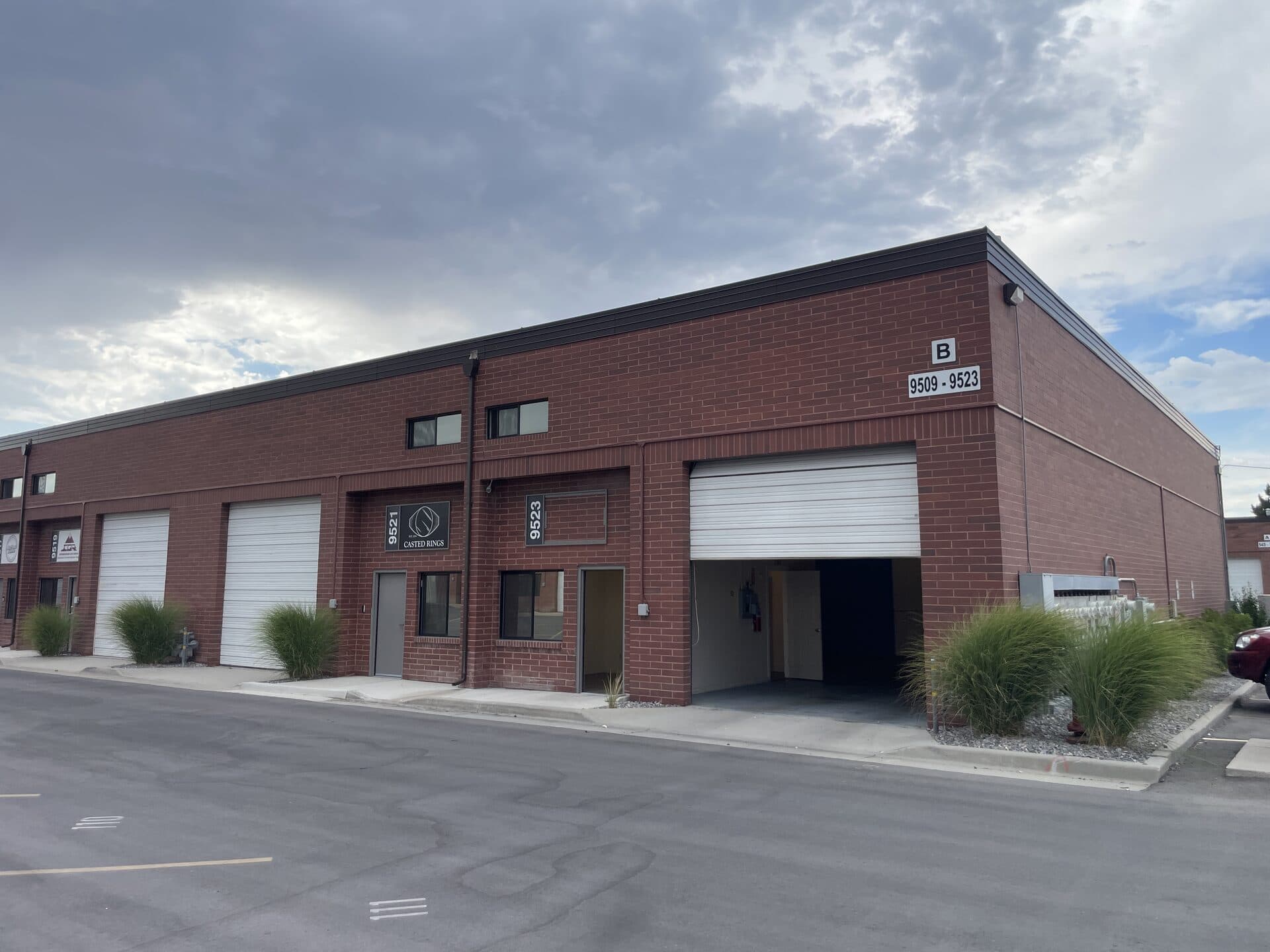
Sandy Industrial Park: Unit 9523
Sandy, UT
Listed/Updated July 2026
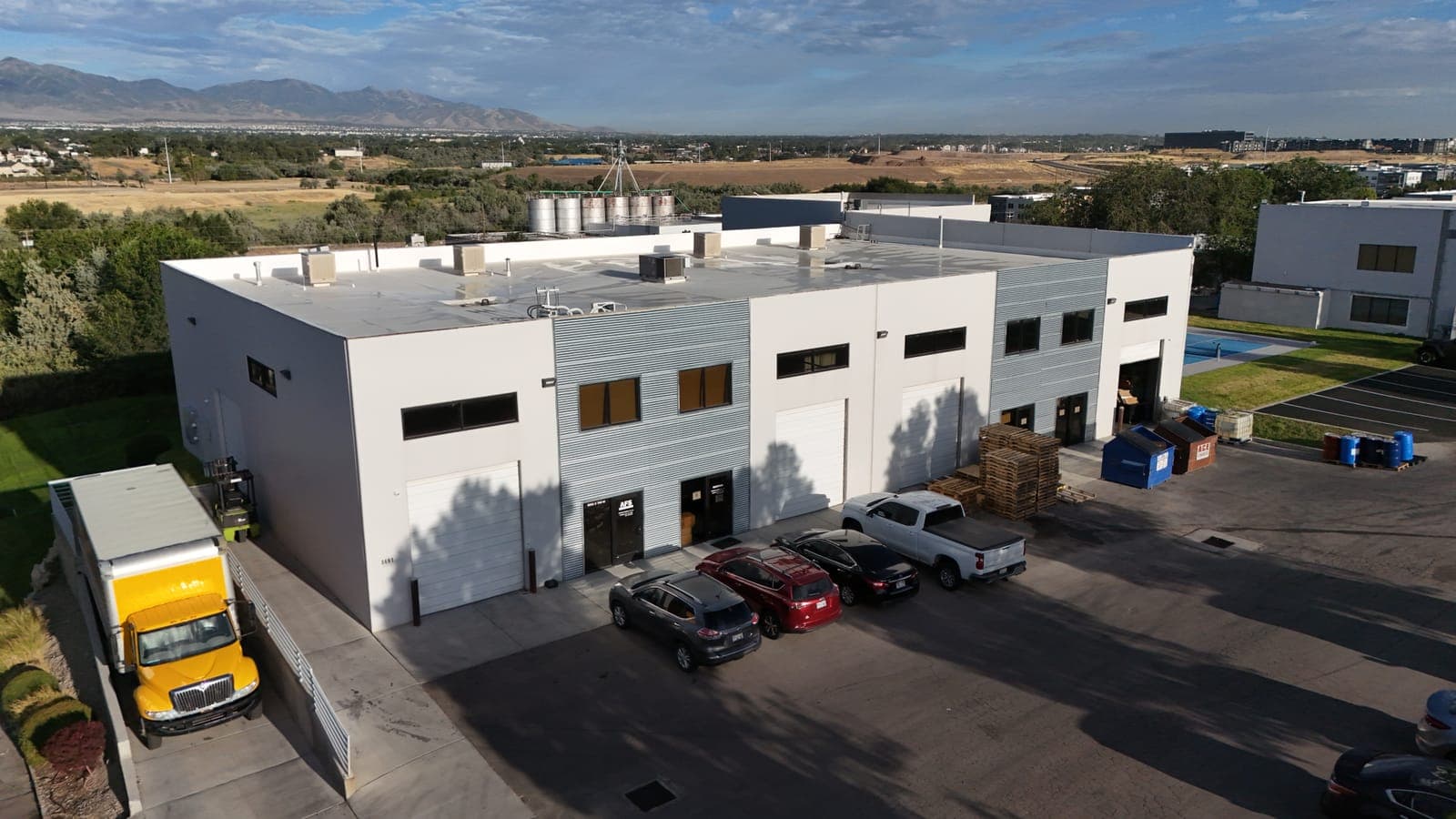
Warehouse for Lease: 8681 S 700 W, Sandy
Sandy, UT
Listed/Updated September 2026
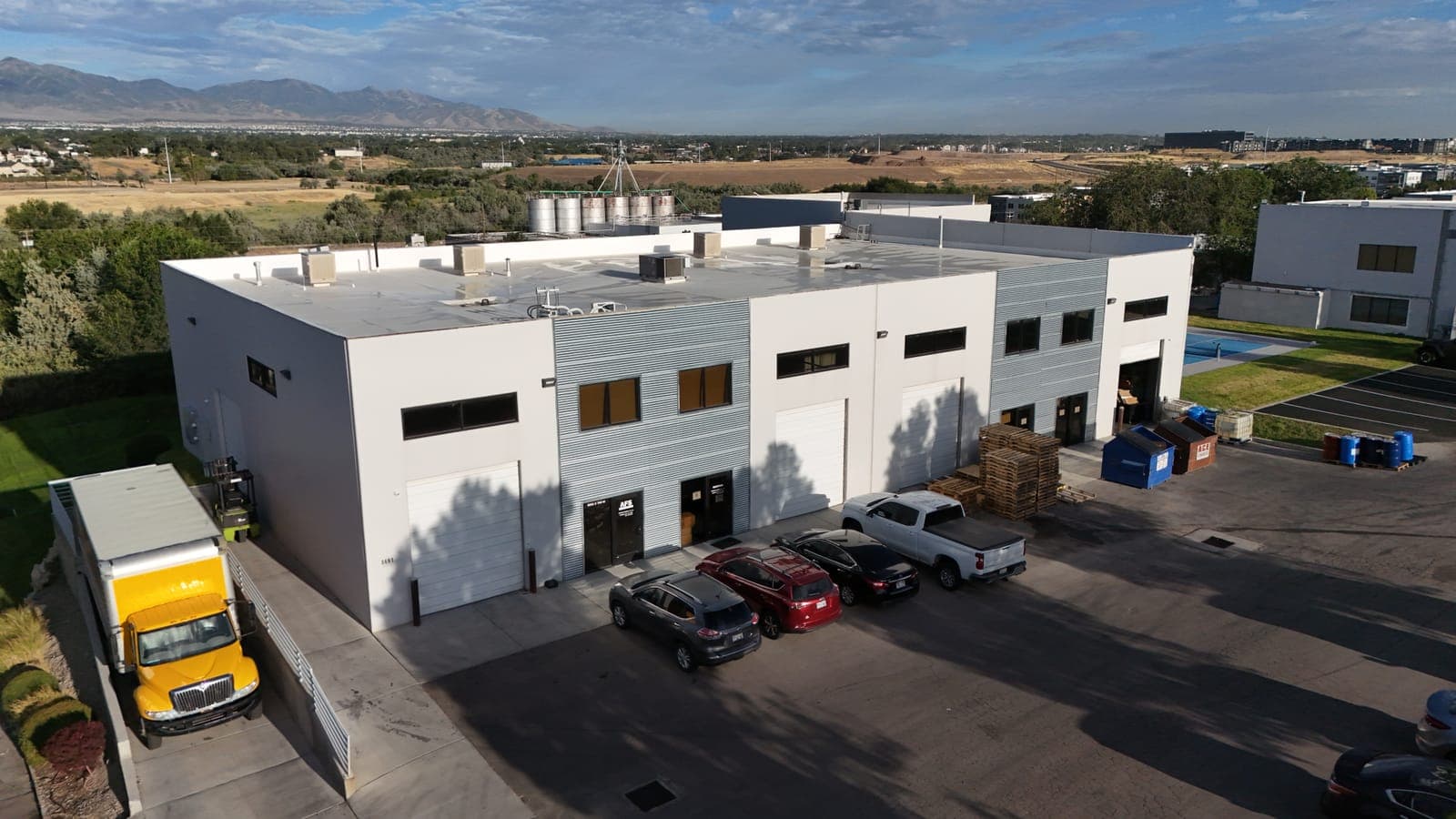
Flex Building for Lease: 8679 S 700 W, Sandy
Sandy, UT
Listed/Updated September 2026
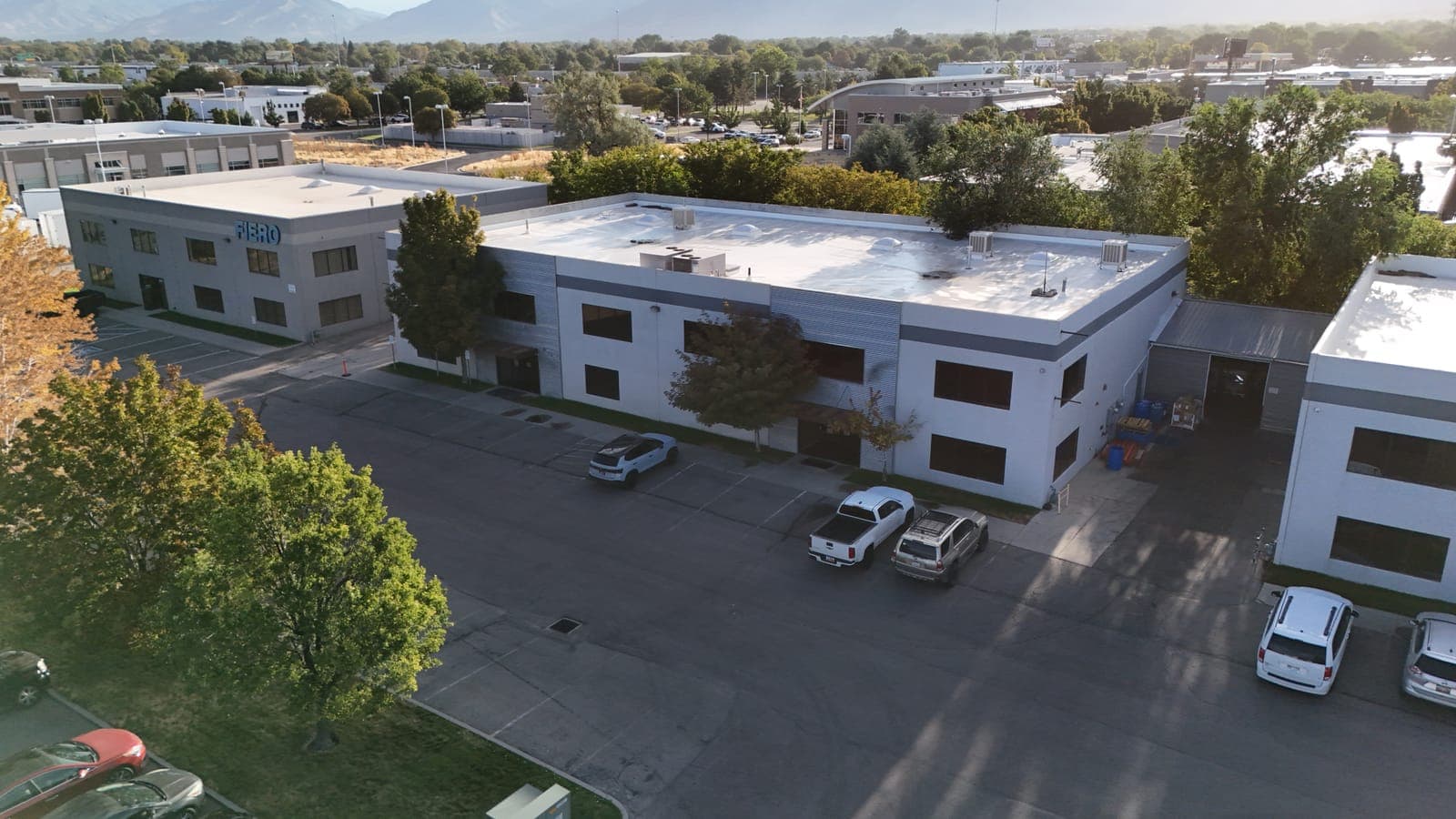
Warehouse/Office for Lease: 8687 S 700 W, Sandy
Sandy, UT
Listed/Updated September 2026
The broker's read
July 2026Sandy is the tightest corridor in the valley and my home turf. No meaningful pipeline, land long since claimed by other uses, and flex rents that run the highest in the market because the product barely exists. Our Sandy Industrial Park units lease in days when priced right, and the 30-to-45-day small-bay window we quote valley-wide runs faster here. Owners: this is the market your building lives in. Tenants: decide quickly.
By Colter Smith, Commercial Real Estate Agent · CRES Utah
Licensed Utah real estate agent, UT Lic. #12359735-SA00. About Colter
Own property in Sandy?
Get a free broker opinion of value. No listing required. We'll tell you what your property is worth in today's market.
Get a Free ValuationLooking for space in Sandy?
Browse all available listings, filtered and ready. Or tell us your requirements and we'll source off-market options.
Browse Available Listings