
West Valley Warehouse & Industrial Space for Lease
West Valley is where I start most generic-warehouse searches in the Salt Lake Valley. It's the third-deepest inventory in the metro, about 600 buildings, and the widest range of vintage and product you'll find anywhere here. The corridor runs west from I-15 along Redwood Road, 2200 West, 3200 West, and 5600 West, with I-215 on the east edge and SR-201 cutting through it. Deep selection is the draw. The catch is that "deep" means varied, not specialized.
What a building rents for here comes down to spec, not to the submarket average. Clear height, dock count versus grade-level doors, how much office is built into the space, power, and whether there's a fenced yard each move the number more than the fact that it's West Valley. Tell me the requirement and I'll tell you where that kind of building is trending right now. Current availability is on the live West Valley listings.
What kind of industrial submarket West Valley is
West Valley carries more buildings than any submarket in the valley except the south-of-downtown belt and California Avenue. It spans every vintage from pre-war to 2026 and every product type. When nothing about a requirement forces a specific submarket, this is the default, and rents generally run at or below the metro average per foot.
Here's what people get wrong. The median building dates to the mid-1980s, and Class C is almost two-thirds of the stock. The modern tier (Class A, 2018 and newer, 32-foot clear) exists, but it's a minority. If you need modern big-box specs, you'll find better concentration at the Airport or the west half of California Avenue. West Valley competes on volume.
So if your underwriting assumes West Valley equals modern-logistics pricing across the board, you're going to be wrong on most of the inventory. The newer parks are real, but they're a fraction of what's here. Most of the stock is older, less spec'd, and serves a different tenant: mid-market distribution, light industrial, contractors, regional logistics that don't need a new building.
Why the West Valley corridor works for most requirements
Three things make it work without making it a specialist.
Access. You're west of I-15 with I-215 on the east, I-80 on the north, and SR-201 running through. From most West Valley addresses you're on an interstate in under ten minutes and at the airport or downtown in under thirty.
Labor. West Valley City is one of the largest population bases in the metro outside Salt Lake City proper. If you run two or three shifts, the workforce density is here and the commute geometry works.
Selection. Because the submarket spans every size and product type, an odd requirement (uncommon footprint, specific dock count, lower-cost older space) usually finds a fit here before it finds one anywhere else. The flip side: the variety creates noise, so the search has to stay disciplined.
Where we work in West Valley
I'd rather tell you where I actually have deals than talk about the corridor in the abstract. CRES represents Redwood Business Park, one of our exclusive West Valley parks on Redwood Road, and we usually have small-bay flex & warehouse space available there. That's first-hand deal flow in this submarket. Current Redwood availability sits with the rest of our corridor listings on the live West Valley listings page.
The four building stocks in West Valley
The depth here really is four different markets wearing one name.
Older infill, 1950s to 1970s. Masonry and early tilt-up, smaller footprints, 14 to 20 foot clear, grade-level or limited dock. Concentrated on the east side near I-15 and the older Redwood Road and 2200 West runs. Mostly Class C. Local service, light industrial, contractors.
1980s to 1990s mid-size. Tilt-up, deeper bays, low-to-mid 20s clear, 20,000 to 50,000 SF. This is the largest single stock and fills most of the central submarket. Class B and low A. Regional distribution, light manufacturing.
Modern big-box, 2018 and newer, along 5600 West and 2200 West toward the Airport boundary. 32 to 36 foot clear, ESFR, deep truck courts, 100,000 SF up past 500,000. Class A. Owned by the same logistics REITs that hold comparable Airport product.
Flex and office-industrial. Smaller bays, higher finish, more parking, TRAX-adjacent in spots. Redwood Business Park lives mostly in this and the older-infill tier, which is exactly the close-in small-bay tenant the east side serves best.
Most of the disappointment I see here comes from averaging across these. A 1965 building on Redwood Road and a 2024 box on 5600 West are both "West Valley" on paper and have nothing to do with each other on price or operation.
Who owns and develops in West Valley
Ownership is mixed, weighted toward large local operators. Boyd Enterprises and Harrison Properties hold the most by building count, alongside Alpine Creek Center Company, MIT R&D Park QOZ, Longpoint Realty Partners (institutional), and a long tail of private owners. West Valley City itself holds multiple parcels. More local-operator, less institutional than California Avenue or the Airport.
On development, active builders include Boyd Enterprises, Freeport West, and the Sansone group, concentrated in the western half where the bigger parcels are left.
For a tenant, that means the person across the table changes with the stock: institutional process on the modern boxes, large-local-operator process on the mid-size, small-private process on the older infill. Knowing which one you're dealing with before you make an ask is most of running the search well, and it's the first thing I sort out on a West Valley requirement.
How new supply gets delivered
Supply shows up in waves from named-park development in the western half, plus a steady drip of one-off infill builds in the center and east.
The practical read: vacancy and effective rent in the modern boxes move with the western-half delivery calendar, same pattern as the Airport but smaller swings. Time a large requirement against what's delivering and you negotiate from a different position. Tenants in the older east-side stock are in a different market entirely, where space turns over rather than gets built.
West Valley still has developable land in the western half, which is why the pipeline stays active. Downtown, most of South Salt Lake, Sandy, and Midvale have run out of land and can't deliver new supply at all. West Valley can, and that's a big reason it stays the default.
West Valley industrial product types compared
| Product type | Typical tenant / use | Building profile | Clear height | Rent tier |
|---|---|---|---|---|
| Big box / bulk | Regional distribution, 3PL, fulfillment (modern western parks; older boxes east) | 50K to 500K+ SF modern; 50K to 200K older | 32 to 36 ft modern; 22 to 28 ft older | Lowest $/SF |
| Specialized industrial | Manufacturing, processing, fabrication, heavier power | Mid-size, vintage spread | 20 to 28 ft | Mid |
| Flex | Office-heavy, light assembly, showroom, contractors & trades | Smaller bays, higher finish, more parking | 14 to 18 ft | Highest $/SF |
What I'd tell you before you lease or buy here
Tenants: figure out which of the four stocks you actually belong in before you anchor on a number. The depth means you can find almost anything, but a wrong-product search burns weeks. Modern specs mean the newer western parks and a Class A budget. Lower-cost older product means the east and center at meaningfully better pricing per foot.
Owners: position to the stock you're in. Don't price older Class C like it competes with the western-half boxes, because it doesn't, and you'll sit. Its edge is the smaller, faster, closer-in deal the big parks can't serve. That's the exact deal we run at Redwood Business Park.
Investors: this trades as a multi-stock submarket. Modern big-box trades to institutional capital on cap rates that follow the broader logistics market; older Class C and mid-size B trade to private buyers and operator-owners on different math. Which stock you're underwriting matters more to your cap rate than the submarket does, and the debt market moves both. Tell me the asset and I'll tell you where it's pricing today. Call me.
Common questions
How does West Valley rent compare to other Salt Lake submarkets? Blended, it runs at or below the metro average per foot, because the inventory is older on average than Airport or the west half of California Avenue. Compare like to like, though: modern boxes here price in line with comparable Airport product, and older east-side Class C runs meaningfully cheaper than modern space anywhere. The blended number averages across stocks that don't compete. For current asks, see the live listings or ask me for a rate read on your requirement.
What clear heights will I find in West Valley? The full range. Modern boxes on the west side run 32 to 36 feet. Mid-size 1980s and 90s product runs 20 to 28. Older east-side infill runs 14 to 22. The vintage and location tell you most of it before you tour.
Is West Valley good for distribution or 3PL? Yes, in the modern western parks. The 2200 West and 5600 West runs carry deep modern inventory with Airport-comparable specs and freeway access. The older east-side stock is not built for modern 3PL and is better treated as a different market inside the same name.
What size spaces does West Valley have? Everything from sub-10,000 SF infill bays up past 500,000 SF single-tenant boxes. That range is the main draw, and it's why most unusual-size searches in the valley start here.
How does West Valley compare to Airport, California Avenue, and Taylorsville-Kearns? Airport is the big-box and logistics specialist with the airport-location premium. West Valley's west half competes with it for modern boxes; the rest of the submarket is more layered. California Avenue runs a similar four-stock mix and is the only deeper submarket. Taylorsville-Kearns sits right west and runs smaller-bay, lower-cost space for SMB tenants. See all Salt Lake Valley submarkets.
What does West Valley space cost to lease or buy? It depends on the building far more than on the submarket. A 1965 infill bay on Redwood Road with 16-foot clear and one grade-level door, and a 2024 box on 5600 West with 32-foot clear, a deep truck court, and ESFR, are both "West Valley," and they don't price anywhere near each other. Office finish, power, and yard move it further. Tell me the spec and I'll tell you where that building is trending, and what's actually available: current listings or call me.
Is there warehouse space for rent near me in West Valley? This is where I would start most near-me searches in the valley. West Valley is the third-deepest inventory in the metro at about 600 buildings, running west from I-15 along Redwood Road, 2200 West, 3200 West, and 5600 West, and it spans sub-10,000 SF infill bays up past 500,000 SF single-tenant boxes. Current West Valley listings are the fastest way to see what is open.
Have a requirement or a building in the West Valley corridor? Give me a call and I'll tell you straight what it's worth and where the leverage is. Contact Colter
Colter Smith, CRES Utah · saltlakewarehouses.com
By Colter Smith, Commercial Real Estate Agent · CRES Utah
Available Space in West Valley
6 listings available now
Current asks in West Valley: $1.05 to $1.80 per SF per month, from our live listings, October 2026.
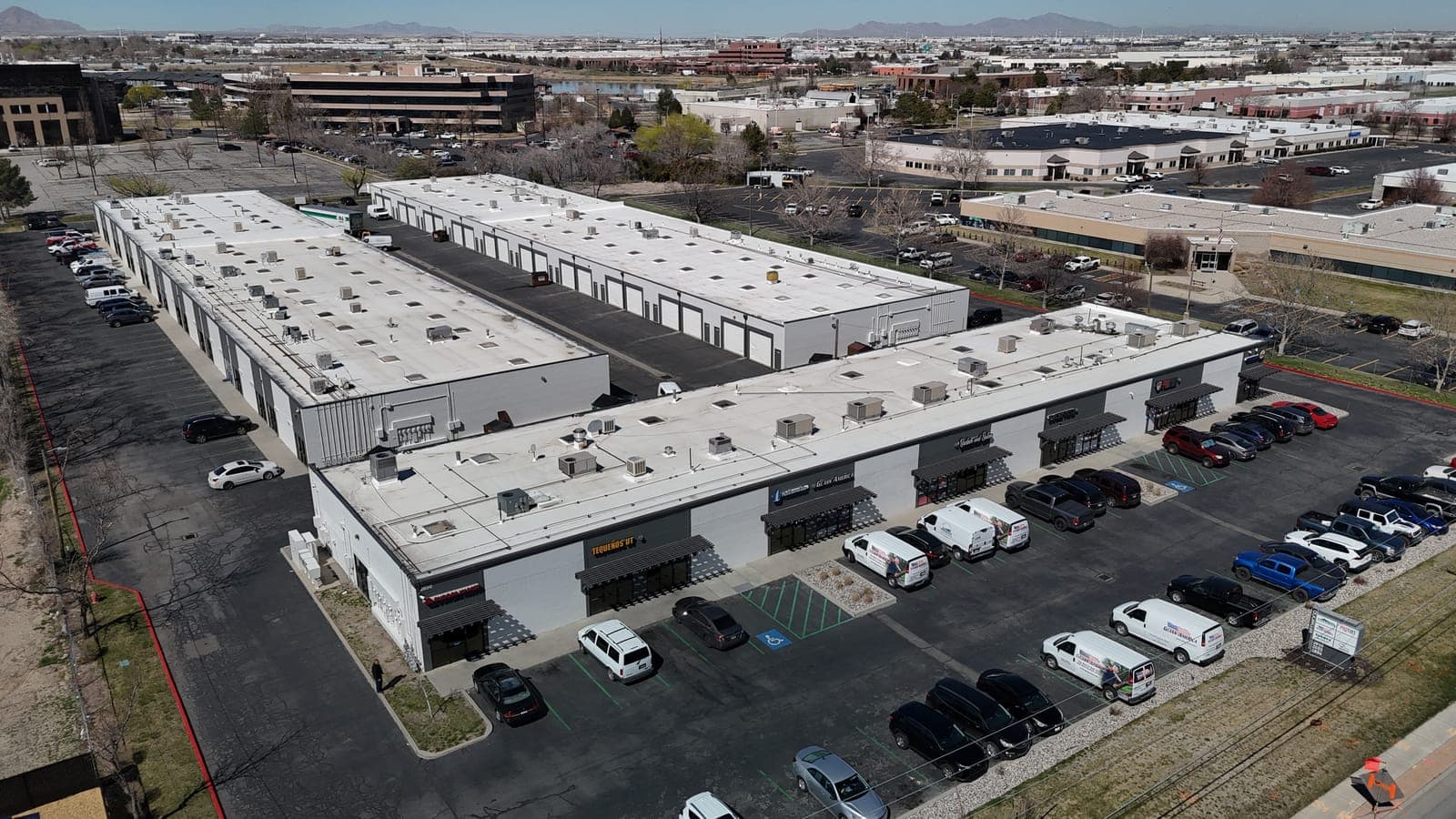
Redwood Business Park: Unit C-17/18
West Valley City, UT
Listed/Updated October 2026
Redwood Business Park: Unit B1
West Valley City, UT
Listed/Updated October 2026
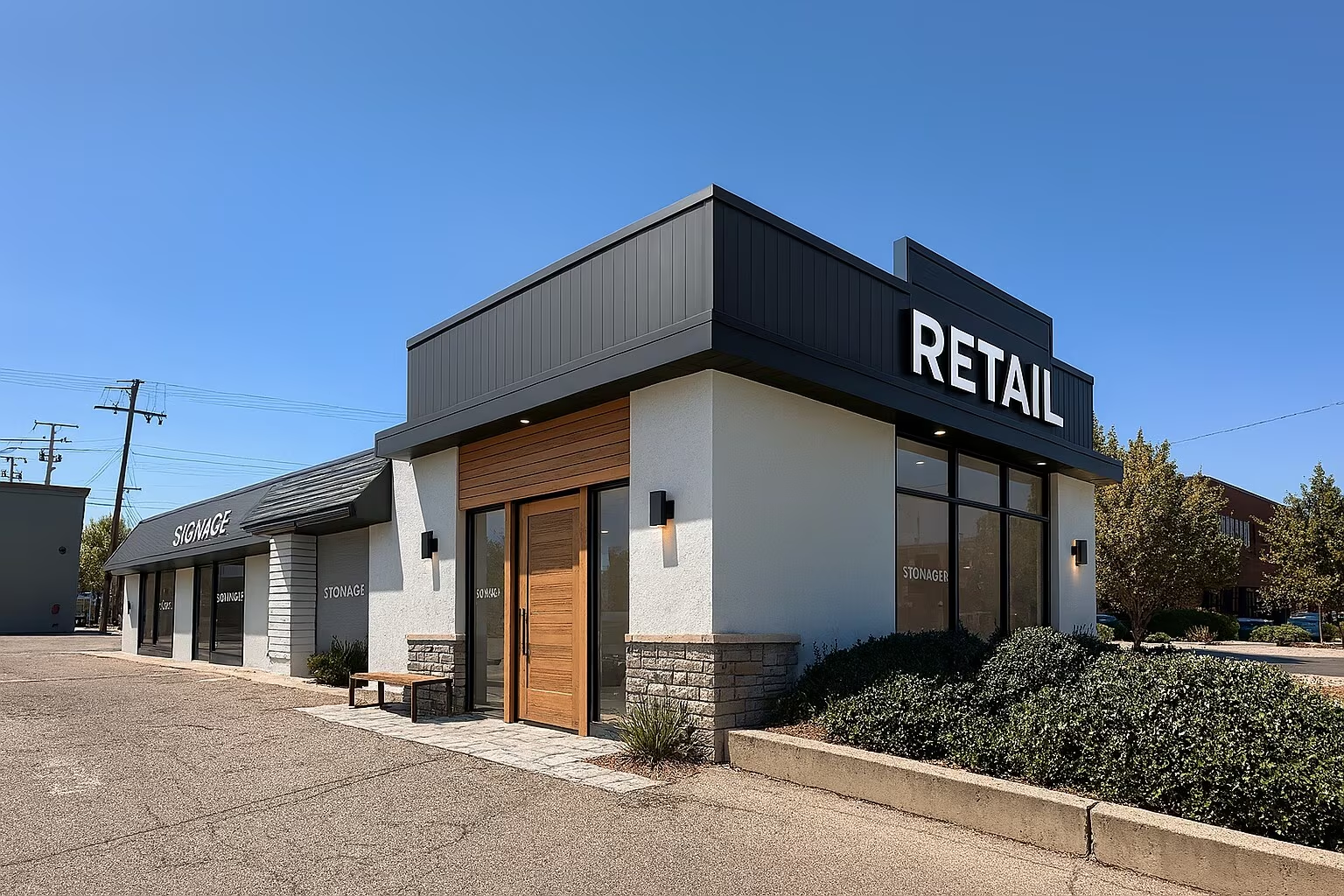
Retail Space with Drive-Thru: 2324 S Redwood Rd (For Sale)
West Valley City, UT
Listed/Updated October 2026
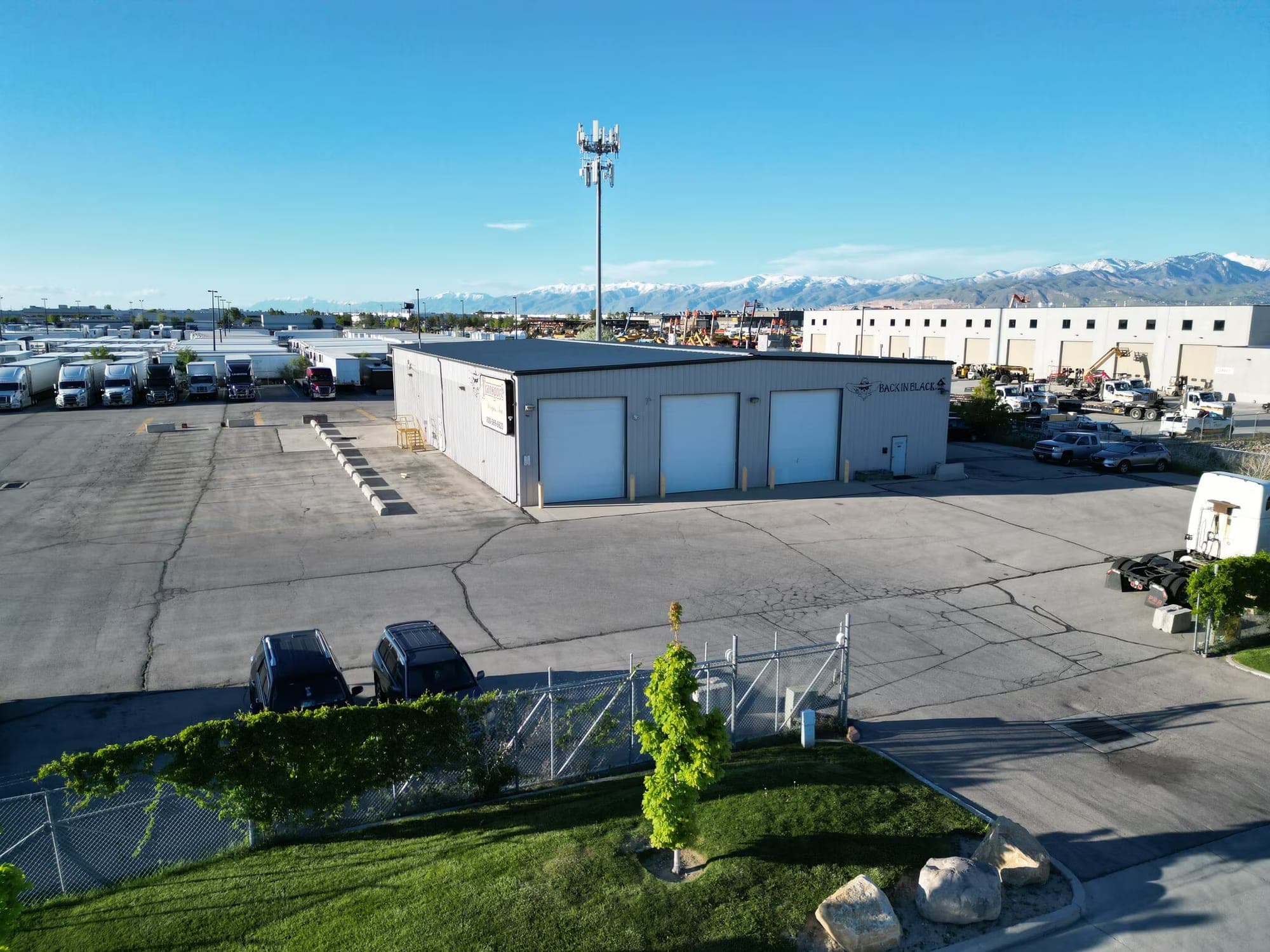
Office with Secure Truck Yard: 5114 W 2400 S
West Valley City, UT
Listed/Updated July 2026
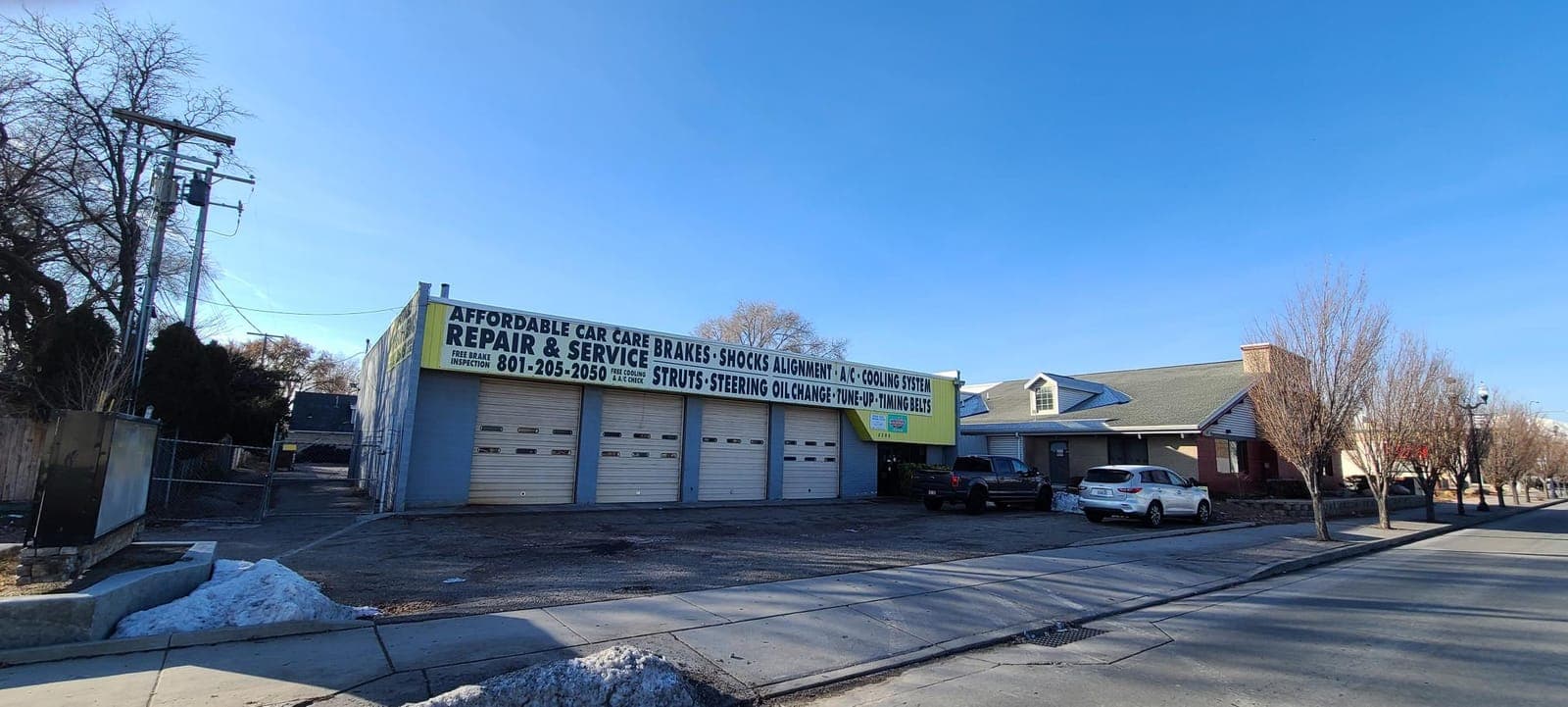
Auto Shop with Fenced Yard for Sale: 3385 W 3500 S
West Valley City, UT
Listed/Updated September 2026
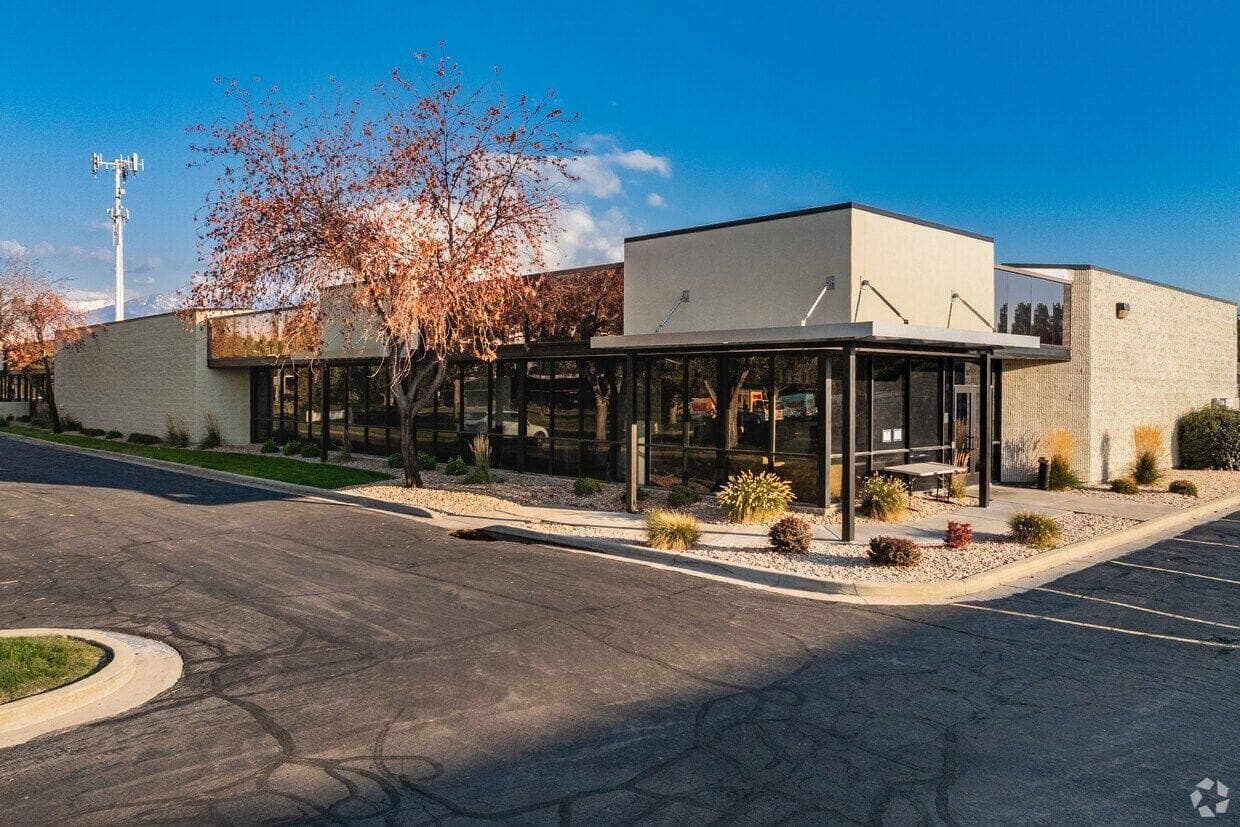
Office/Warehouse Sublease: 1105 W 2400 S, West Valley City
West Valley City, UT
Listed/Updated September 2026
More CRES Industrial Listings
Industrial and flex listings from other CRE Specialists agents. Each inquiry goes directly to the listing agent.
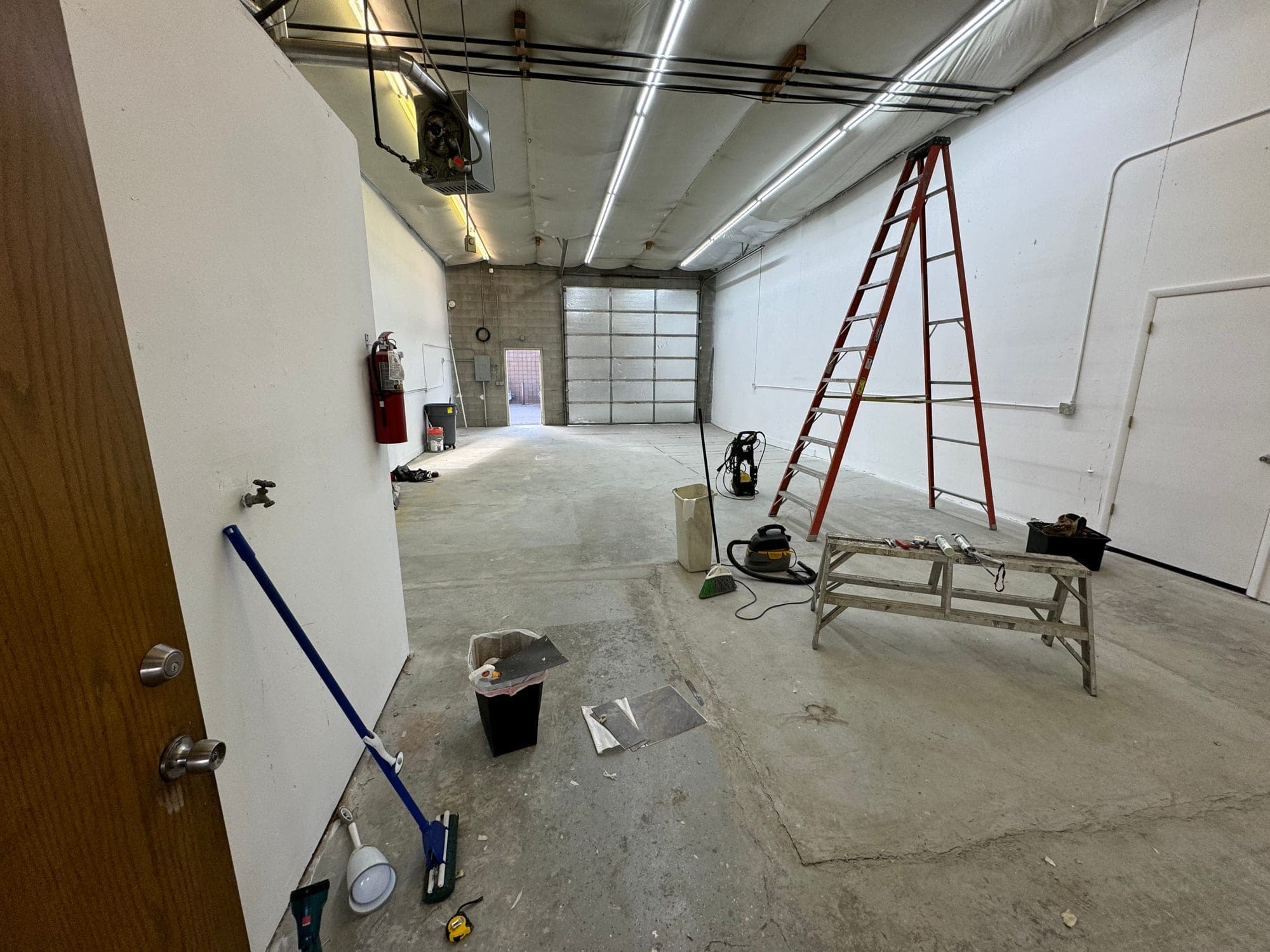
The broker's read
July 2026West Valley's soft numbers are concentrated in the big logistics boxes; the small and mid-bay market underneath them is a different animal. Our Redwood Business Park units keep leasing at asking, and nothing in the sub-5,000 SF band sits long. With no mega-projects delivering this year, I expect the headline number to firm while small-bay stays what it's been all cycle: steady. Second-biggest industrial base in the state, and still the workhorse.
By Colter Smith, Commercial Real Estate Agent · CRES Utah
Licensed Utah real estate agent, UT Lic. #12359735-SA00. About Colter
Own property in West Valley?
Get a free broker opinion of value. No listing required. We'll tell you what your property is worth in today's market.
Get a Free ValuationLooking for space in West Valley?
Browse all available listings, filtered and ready. Or tell us your requirements and we'll source off-market options.
Browse Available Listings