
California Avenue Warehouse & Industrial Space for Lease
California Avenue is the deepest, widest-range industrial submarket in the Salt Lake Valley. It runs west of I-15 through the heart of west-side Salt Lake City along California Avenue (1300 South), with arterials threading through 700 West, 900 West, 4400 West, and the Ninigret park area near the airport edge. It carries 1,091 buildings spanning 1902 pre-war manufacturing to 2025 institutional big-box, essentially tied with the south-of-downtown belt for the largest building count in the valley and unmatched anywhere in product range. If you're shopping by submarket, this is the one where something will fit. That's the strength and the trap.
What California Avenue actually is, is a layered submarket where the blended numbers tell you almost nothing about what your specific building should cost. The structural facts are below. Spec sets your number here, not the submarket average, and this submarket runs 1902 through 2025. Give me the vintage, clear height, and dock count you need and I'll tell you where that building is trending. Current availability is on the live listings, or call me.
What kind of industrial submarket the California Avenue area is
California Avenue is the depth-and-range submarket. It's essentially tied for the most buildings in the valley, and it carries meaningful Class A inventory (81 buildings) alongside the broadest tail of older Class C in the metro (672), with 333 Class B in between. Product runs from sub-5,000-square-foot creative-industrial bays to 500,000-square-foot ESFR logistics. That range is what tenants and investors come for.
The blended numbers, average rent and price per foot and vintage, are mathematically defensible and operationally useless. The 1940s brick warehouse on 800 West and the 2024 big-box on 4400 West sit in the same data set and have nothing to do with each other in practice. Anchor on the submarket average and you're anchoring on a number that describes no actual building.
So shop California Avenue by spec: vintage, size, clear height, dock count, location within the corridor. Decide which sub-stock fits your requirement and compare only against that. Treat it as one market and you'll burn weeks.
Why the California Avenue corridor works for almost any requirement
Location is the structural advantage. California Avenue sits west of I-15 and immediately next to the Airport submarket, so freeway access on I-15, I-80, and I-215 is direct, and the airport is minutes away for anything that touches air cargo. Rail runs through on the Union Pacific and BNSF lines that bisect the west side, and surface arterials connect to downtown, the Airport corridor, and the West Valley belt.
Labor is the second advantage. The corridor pulls downtown-adjacent labor for its eastern half and west-valley labor for its western half, so the commute geometry works from most of the metro.
The third is that the corridor absorbs almost any requirement size. With small infill, mid-size flex, and modern big-box all here, unusual requirements (oversized power, a rail spur, specific clear height) find better odds of a fit than anywhere else in the valley.
The trade-off: the depth comes from layering, not coherence. California Avenue doesn't lead on any single product type the way the Airport leads on big-box, so it's the default when nothing forces you elsewhere.
The four building stocks in the California Avenue submarket
The depth unpacks into roughly four stocks, each with different specs, tenants, and transaction patterns.
Pre-war and post-war infill. Older masonry and tilt-up, smaller footprints, 14 to 20 foot clear, often grade-level or limited dock. Concentrated in the eastern half close to downtown, along 700 West, 900 West, and the older arterials between roughly 800 South and 2100 South. Class C dominant. Local service, light industrial, contractors, and maker users.
1970s through 1990s mid-size. Concrete tilt-up, deeper bays, modest dock counts, clear heights in the low-to-mid 20s. This fills most of the central submarket. Class B and lower A. Regional distribution, light manufacturing, mid-market users who don't need modern specs.
Modern institutional big-box, roughly 2018 on. Concrete tilt-up, 32 to 36 foot clear, ESFR, deep truck courts, heavy trailer parking, 100,000 up past 500,000 square feet. Concentrated in the western half: the 4400 West corridor, the Ninigret park area, and the parks pushing toward the Airport. Owners include Link Logistics and Longpoint Realty Partners.
Flex and office-industrial. Smaller bays, higher finish, more parking, TRAX-adjacent in pockets. The smallest stock and the highest per-foot rent.
A modern big-box leasing in the western half tells you almost nothing about how a 1950s infill on 700 West will price. That's the whole point.
Who develops and owns industrial property in the California Avenue submarket
This is one of the few valley submarkets where ownership is genuinely mixed. Institutional capital is real and present (Link Logistics, Longpoint Realty Partners, DRA Advisors), but the long tail is private and operator-side, with large local landlords like Price Realty Group, Freeport West, and Boyd Enterprises holding double-digit building counts. The Church of Jesus Christ of Latter-Day Saints shows up as a notable landholder.
On development, California Avenue is one of the two most active valley submarkets for institutional building, alongside the Airport. Ninigret Group is the most active named developer in the corridor, with Freeport West and Majestic Realty also delivering. The pipeline sits in the western half.
Expect a different counterparty by stock. Institutional big-box landlords run longer lead times and more standardized terms than the local owners of the older inventory. On the investment side, institutional product trades to institutional capital, older infill to private buyers.
How new industrial supply gets delivered in the California Avenue submarket
New supply arrives in waves driven by named-park development, mostly along the 4400 West corridor and the Ninigret area, and it concentrates in the modern big-box stock. The older infill essentially never gets built new; the land economics don't support it, so it turns over through repositioning, partial demolition, or owner-occupant takeover.
The practical read: vacancy and effective rent in the modern big-box stock swing with the delivery calendar. Time a large-format requirement against the next wave and you negotiate from a different position than the tenant who walked in the quarter half a million square feet hit the market with no signed tenants. Knowing what's under construction in the western half is most of the leverage on a big-box deal here.
The older infill runs on a slower clock, driven by tenant rollover and the occasional repositioning of a tired building, with the inventory shrinking very gradually as buildings come down for higher uses.
California Avenue industrial product types compared
| Product type | Typical tenant / use | Building profile | Clear height | Rent tier |
|---|---|---|---|---|
| Bulk logistics / big box | Regional distribution, 3PL, fulfillment, institutional logistics | 100K to 500K+ SF, deep dock, trailer parking, ESFR, mostly 2018+ | 32 to 36 ft modern; lower in older stock | Lowest $/SF modern; older big-box cheaper still |
| Specialized industrial | Manufacturing, processing, heavier power, fabrication | Mid-size single- or multi-tenant, vintage spread | 20 to 28 ft | Mid |
| Flex | Office-heavy users, light assembly, showroom, creative-industrial | Smaller bays, higher finish, more parking, TRAX-adjacent in pockets | 14 to 18 ft | Highest $/SF |
What I'd tell you before you lease or buy here
Tenants: decide which of the four stocks your requirement belongs in, not which submarket. California Avenue carries everything, so a wrong-product search burns weeks before you realize the spec was the problem. Anchor on the spec and compare only against the relevant sub-stock. The right product usually exists; the discipline is finding it without getting distracted by everything else in the mix.
Owners: know which stock you're competing in. Institutional big-box owners compete nationally on standardized terms; local owners of mid-size product compete on more negotiable terms; infill owners compete for local service, contractor, and maker tenants on the most flexible terms. Position to the tenant pool for your building, not the blended average.
Investors: California Avenue trades as multiple submarkets stacked under one name. Modern big-box trades to institutional capital at institutional cap rates; older mid-size and infill trades to private buyers at meaningfully different pricing. Don't underwrite a Class C 1960s warehouse on Class A 2024 comps. The stock you buy sets your buyer pool and your cap rate, and the debt market moves all of it at once. Name the building and I'll tell you where that class is priced right now. Call me.
Common questions
How does California Avenue rent compare to other Salt Lake submarkets? On a blended basis it runs around the metro blended, but that number hides the four-stock reality. Modern big-box on the west side prices in line with Airport big-box. Older infill on the east side runs below the metro per foot because the stock is older and lower-class. The comparison only works at the like-product level. See what's being asked right now on the live listings, or call me with the spec.
What clear heights do warehouses in the California Avenue submarket have? The full range. Modern big-box on the west side runs 32 to 36 feet. Mid-size 1970s through 1990s product runs 20 to 28. Older infill on the east side runs 14 to 20. Every height tier is here, which is part of why unusual requirements come to this corridor.
Is California Avenue good for distribution or 3PL operations? Yes, for the modern big-box stock specifically. The western half carries some of the deepest modern logistics product in the metro outside the Airport, with comparable freeway and rail access. The older stock east of I-15 isn't built for modern 3PL and shouldn't be evaluated as if it is.
What size industrial spaces does the California Avenue submarket have? Everything from sub-5,000-square-foot infill bays up past 500,000-square-foot single-tenant big-box. That range is one of the main draws, and unusual requirements usually find better availability here than anywhere else in the valley.
How does California Avenue compare to Airport, West Valley, and South Salt Lake? Airport is the bulk-logistics specialist with the most concentrated modern big-box; California Avenue's western half competes head-to-head but spans far more product types. West Valley is the next broad-inventory option but skews older. South Salt Lake is closest in older-infill character but smaller and more contractor-focused. See the Salt Lake City corridors and all Salt Lake Valley submarkets.
What does California Avenue space cost to lease or buy? On California Avenue, spec sets the price and the submarket average tells you almost nothing. A 1902 pre-war brick bay on 700 West and a 2025 Class A box on 4400 West both carry the same submarket name, and they price in different worlds. Vintage, clear height, dock count, and class decide where you land. Tell me what you need and I'll show you where that spec is trending, plus what's on the market today: current availability or call me.
Is there warehouse space for rent near me on California Avenue? This is the submarket where a near-me search usually pays off, because the range is the widest in the valley: sub-5,000 square foot infill bays up past 500,000 square foot single-tenant big-box, spread along California Avenue at 1300 South and the arterials threading through 700 West, 900 West, and 4400 West. Unusual requirements find availability here more often than anywhere else. Start with current California Avenue listings.
Have a requirement or a building in the California Avenue corridor? Call me and I'll tell you what your specific building should cost, not what the submarket average says. Contact Colter
Colter Smith, CRES Utah · saltlakewarehouses.com
By Colter Smith, Commercial Real Estate Agent · CRES Utah
Available Space in California Avenue
0 listings available now
Current asks in California Avenue: $0.80 to $1.10 per SF per month, from the live CRES listings on this page, October 2026.
Every current California Avenue match is a brokerage listing from another CRE Specialists agent, below.
More CRES Industrial Listings
Industrial and flex listings from other CRE Specialists agents. Each inquiry goes directly to the listing agent.
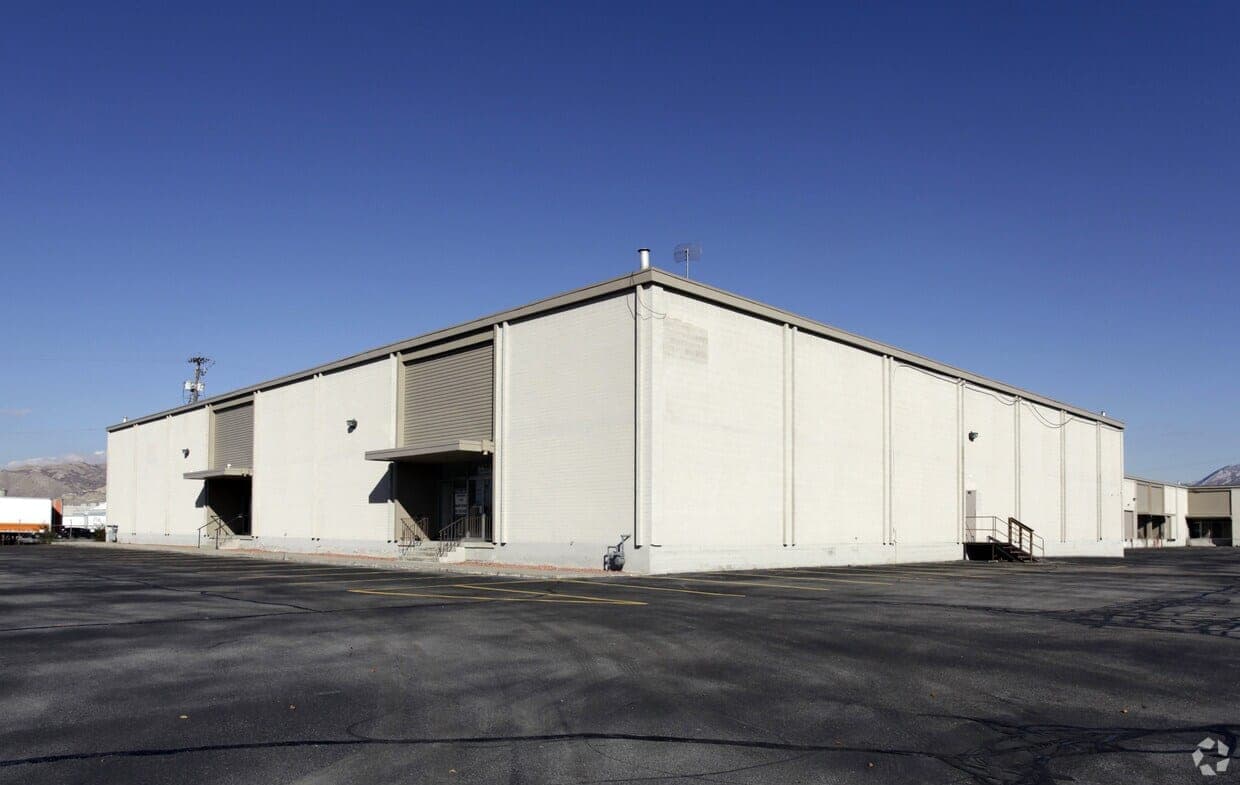
Overland Industrial Park: Bldg 2 (1465 & 1473)
Salt Lake City, UT
Listed/Updated July 2026
Listed by Justin Welch, CRE Specialists
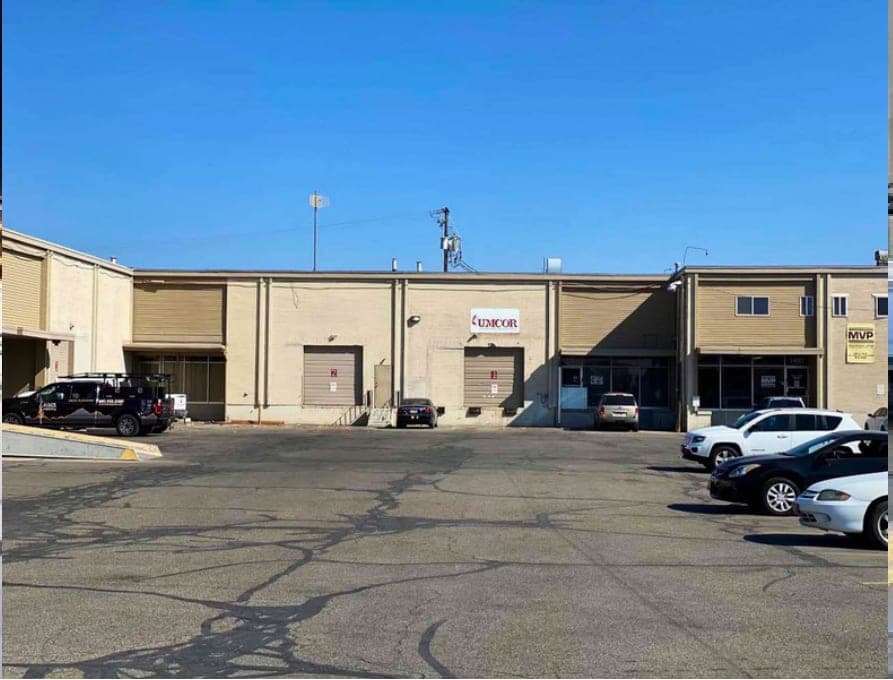
Overland Industrial Park: Building 6, Unit 1479
Salt Lake City, UT
Listed/Updated October 2026
Listed by Justin Welch, CRE Specialists
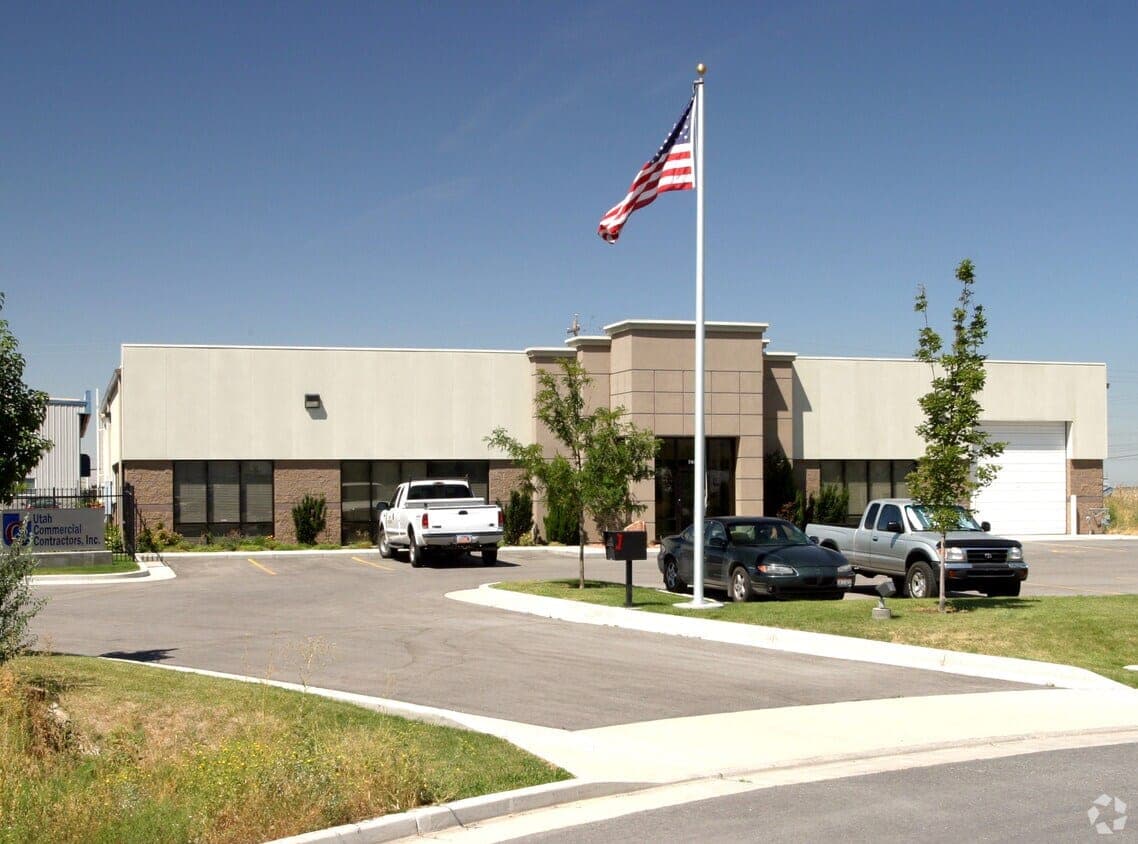
748 S 5300 W, Unit B
Salt Lake City, UT
Listed/Updated October 2026
Listed by Jeff McComas, CRE Specialists
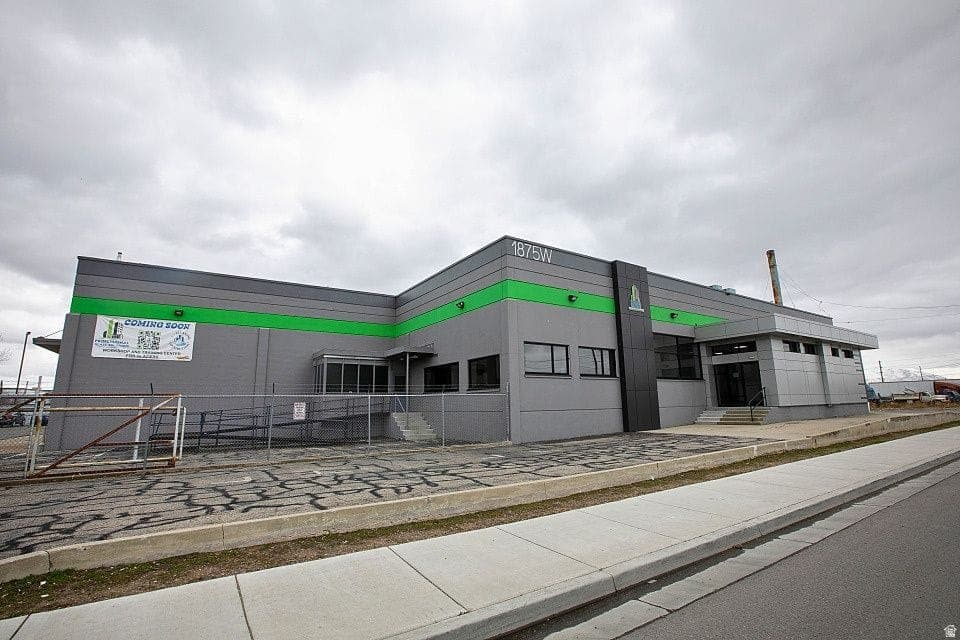
Warehouse with Fenced Yard for Sale: 1875 W 1500 S, Salt Lake City
Salt Lake City, UT
Listed/Updated September 2026
Listed by Justin Welch, CRE Specialists
The broker's read
July 2026California Avenue is the biggest industrial concentration in Utah, and demand keeps showing up for it. National logistics and manufacturing names keep signing here, and the corridor keeps absorbing while flashier submarkets digest. For the small operator, the catch is supply: small units inside this corridor are scarce and get taken quickly, because everyone from a rigging shop to a parts distributor wants the same central-west access to I-15, I-80, and 201.
By Colter Smith, Commercial Real Estate Agent · CRES Utah
Licensed Utah real estate agent, UT Lic. #12359735-SA00. About Colter
Own property in California Avenue?
Get a free broker opinion of value. No listing required. We'll tell you what your property is worth in today's market.
Get a Free ValuationLooking for space in California Avenue?
Browse all available listings, filtered and ready. Or tell us your requirements and we'll source off-market options.
Browse Available Listings