
ON THIS PAGE
Every landlord we lease for asks for the same 3 things before a warehouse lease: an application, 2 years of tax returns or P&Ls, and 2 months of bank statements. It is the standard ask across the Salt Lake Valley, and it is where more deals stall than anywhere else, price included.
I lease industrial and flex space across the Salt Lake Valley at CRES Utah, mostly 1,000 to 50,000 SF, and most of my week is spent walking tenants through exactly this. Here is what gets asked, why, and how to get through it in a week instead of a month.
THE SHORT VERSION
- Expect an application, 2 years of returns or P&Ls, and 2 months of bank statements. New businesses add a personal guarantee.
- The application usually carries a fee and a credit pull. Nobody likes the surprise, so this is the heads up.
- The deposit is one month's gross rent on most of our deals. Thin credit means a bigger deposit, a guarantee, or both.
- Send the package with the LOI. Deals die waiting on paperwork, not on rent.
What is in the financial package?
Three things. An application, which is the landlord's form with the business entity, the owners, references and a release for a credit check. 2 years of business tax returns, or P&Ls if the returns are not done yet. And 2 months of recent bank statements.
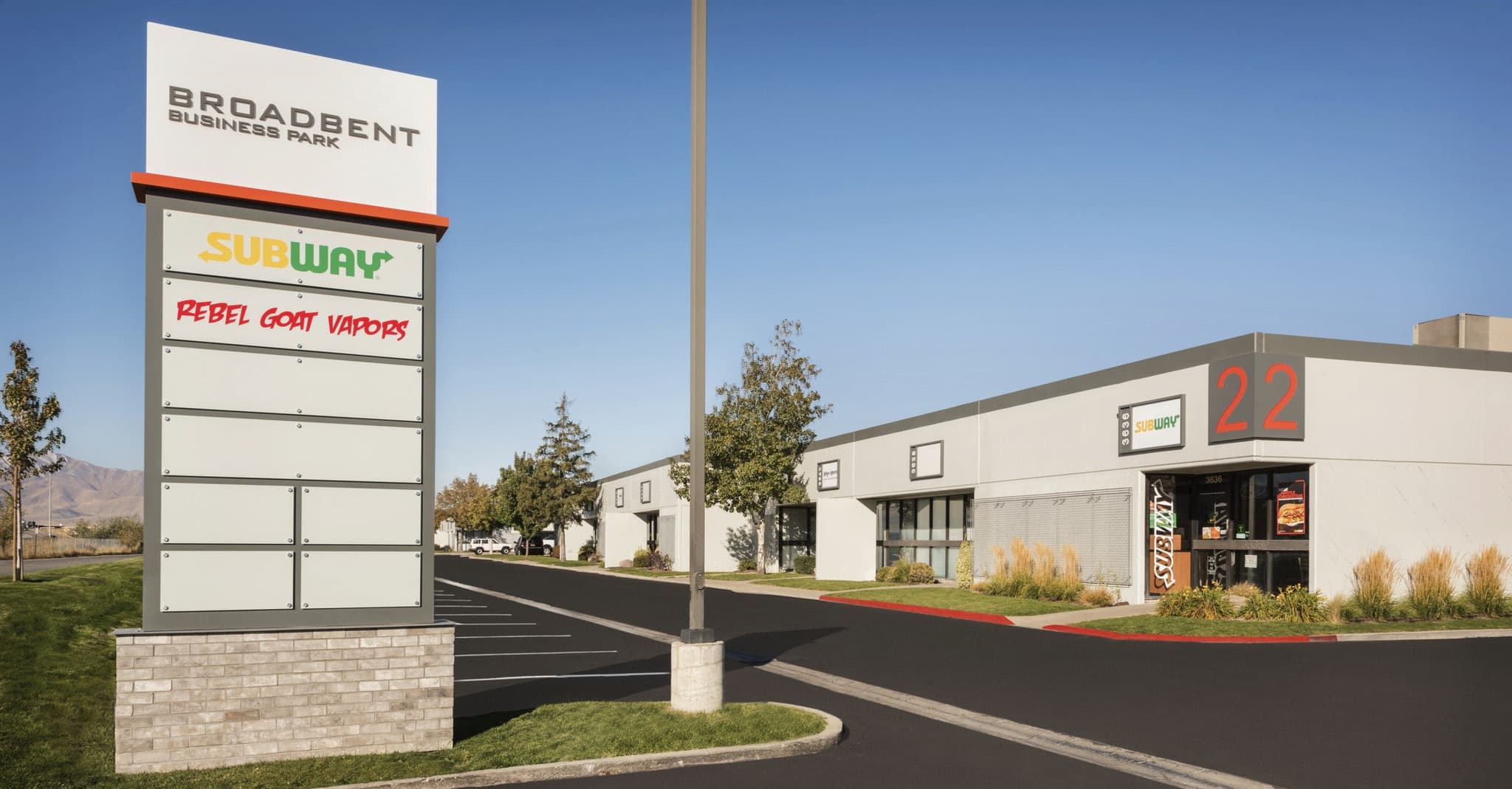
That list is the same at Broadbent, Redwood, Sandy Industrial Park and Airport Business Center, and it is what I tell tenants in the cover email when I send an LOI, because it is standard for landlords in Utah to request. If you are a franchisee, the landlord will also ask what the franchisor requires of you.
The application usually carries a fee, and it authorizes a credit pull on the business and on anyone guaranteeing the lease. More than one tenant this year found that out at the application step and was annoyed. Now you know before you tour.
Why does the landlord care about my bank statements?
Because the landlord is extending you credit for the whole term. A 2,463 SF unit at $1.00 NNN on a 37-month term is about $130,000 of rent and NNN. The landlord is also paying for any office work, the vacancy before you, and a leasing fee. They want to see that the rent clears your account without strain for two months running and that the business has a track record of paying for things.
A large company gets asked too. A national contractor I placed at Broadbent this fall had a CFO and real revenue, and ownership still wanted background and financials before the lease went out. The ask gets lighter for a strong balance sheet, it does not go away.
What if my business is new?
Then the landlord looks at you instead of the business. Expect to sign a personal guarantee, which means you are on the hook if the LLC stops paying. Expect a larger security deposit, often two months instead of one.
A first-location studio I worked this summer had a thin history and a parent willing to back them. The way through was a guarantee from the parent, a deposit above 1 month, and a note from me to ownership explaining the business.
Deals like that close when the landlord can see how they are protected. They stall when the tenant argues about the protection.
How much is the security deposit?
One month's gross rent is the norm on our leases, meaning base rent plus NNN. For that 2,463 SF unit, $2,463 base plus $1,034 NNN/CAM, call it $3,500 held for the term.
Tenants ask to cut it to base rent only, or to 1 month when ownership asked for 2. A strong tenant can win that ask. A new business cannot, and pushing on it after the other terms are agreed makes ownership wonder what else will come up.
If cash is the problem, say so. Prepaid rent, a slightly longer term, or a guarantee can bridge it, and those are conversations I can have with ownership before anything is in writing.
Where does the paperwork go?
To me, and I pass it to ownership or their property manager. You are not emailing tax returns to a stranger; the application names who holds them and the release covers how they are used. If a landlord uses a third-party screening service, the application will say so and you will upload there.
Timing matters more than people expect. The most common reason a signed LOI never turns into a lease is an application that never came back. I have watched a property manager ask "are they still ready to move forward?" 2 weeks after a tenant agreed to every term, because the form was sitting in someone's inbox.
Turn it around in 2 business days and you are ahead of most of the market.
What else comes up before keys?
Two things, both easy. A certificate of insurance naming the landlord, which your agent can issue in a day once you have the requirements. And a use description, with safety data sheets if you store anything that would interest the fire marshal. A printing business sent an MSDS for its ink with the application; that is the right instinct.
After that the lease draft goes out, usually a standard form the park has used for years, and the clock is on lease review, which is its own topic.
What financials does a landlord ask for on a warehouse lease in Utah?
Two years of business tax returns or P&Ls, two months of bank statements, and a completed application with a credit release. New businesses add a personal guarantee. That is the standard ask across the parks we lease in the Salt Lake Valley.
Does a commercial lease application have a fee?
Usually, and it covers the credit and background check on the business and the guarantor. Ask what it is before you fill it out.
How much is a security deposit on a warehouse lease?
One month's gross rent, base plus NNN, on most of our leases. A new business or thin credit usually means two months, a guarantee, or both.
Can I lease a warehouse without a personal guarantee?
Yes, if the business has the financials to stand on its own. Established companies with two years of returns and healthy statements often sign in the entity's name only. A new LLC almost never does.
If you are sending an LOI on a space in the Salt Lake Valley this month, send me the application and financials with it. I will tell you what ownership will say before they say it, and we fix the weak spots before they cost you the unit. Call me at 801.755.8794.
Sending an LOI on a space this month?
Send me the application and financials with it and I'll tell you what ownership will say before they say it.
Get Our Quarterly Market Report
Salt Lake Valley industrial vacancy, rent trends, and deal data, delivered to your inbox every quarter. No spam.