
ON THIS PAGE
A sale leaseback sells the building your business runs in and leases it back to you in the same transaction, usually on a long term. You give up the deed, keep the keys, and walk away with the value of the property in cash instead of the slice a refinance gets you. Nothing about the operation moves. Here is how the deal actually works, and when it is the wrong move.
THE SHORT VERSION
- Sale leaseback: sell the building, sign a long term lease back, keep operating without moving a single pallet
- Why owners do it: the equity comes out all at once and goes into the business rather than sitting in the walls
- The mechanic that matters: the lease you sign back is the product. The rent, term, and your credit set the price you get
- The trade: you become a tenant in your own building, and the rent runs as long as the term you chose
- The honest comparison: sometimes a refinance or a straight sale wins, and the numbers say which
How a sale leaseback works
Two deals close at once. An investor buys your building, and at the same closing you sign a lease back from them, typically NNN, usually five or ten years, sometimes with renewal options on top. Monday morning looks identical: same dock, same crew, same sign on the building. What changed is the balance sheet, where a large illiquid asset just became cash, and the rent line, which now runs to a landlord instead of a lender.
The accounting treatment has its own rulebook and it changed meaningfully in recent years, so your CPA runs that math before anything signs. We run the real estate.
The triangle: price, rent, and term
Here is the part the finance articles skip. The investor is buying two things at once: the lease you sign back, and the building underneath it, which is what they re-lease if you ever leave. The lease sets the income, so the price becomes a dial you partly control, and pricing turns into a triangle: the higher the rent you agree to pay, the higher the price you get, and the longer you agree to pay it, the more the income stream is worth. Strong business credit raises the whole triangle, because the buyer is underwriting you as much as the walls.
The dial only turns freely until the rent passes what the space would fetch from anyone else. Push the leaseback rent much above market and a sharp buyer starts pricing the day you vacate: if the next tenant cannot replace that rent, they are not buying income, they are buying your promise, and they will discount it or walk. Rents in this valley have trended up over time, which narrows that gap across a long term, but a buyer is not paying full price today for rent growth they hope shows up later.
Which is also the warning on your side of the table. Inflating the leaseback rent to juice the sale price is borrowing from your own future, one month at a time, for the length of the term, and the market checks the math anyway. The right structure starts from where ownership wants the business to be in five or ten years, sets a term the business can comfortably live with and a rent at what the space is honestly worth, and lets the price follow. The lease itself is standard industrial paper, and the NNN structure works the same way it does on any other lease.
Why industrial owners do it
The building is usually the biggest number on an owner-occupier's balance sheet and the least useful dollar in it. The pains that bring owners to this conversation repeat: the bank line is maxed and growth needs trucks, crew, and inventory rather than drywall; a partner wants out and the buyout needs real money; the next contract requires capacity the business cannot fund while its cash sits in concrete.
A sale leaseback converts the equity in one event. A refinance gets you a slice of the building's value; a sale gets you close to all of it, and the business keeps its home. For a company in growth mode, that is the whole pitch: a cash injection big enough to help the business grow, put to work where the returns actually live, inside the operation.
What the buyer wants
The investors who buy these deals want durable income: a real operating business, NNN terms, enough term to matter, and a building that would re-lease if the tenant ever left. That last part cuts in your favor. Everything that makes an industrial building easy to lease, the location, the clear height, the doors, the yard, also makes it easy to sell with you inside it. A solid operator in a solid building is exactly what that money is hunting for.
Sale leaseback vs refinance vs selling outright
| Sale leaseback | Refinance | Sell outright | |
|---|---|---|---|
| You get | Close to the full value in cash | A portion of the value as debt | Full value in cash |
| You keep | The keys and the operation, on a lease | The deed and the equity upside | Nothing but the proceeds |
| You take on | Rent for the term you signed | A payment and a maturity date | A move, with everything that costs |
| It wins when | The business out-earns the building | You need some capital and want the asset | You are leaving the space anyway |
Price the building honestly before choosing a lane. That is the same work as a broker opinion of value, and if the answer turns out to be a straight sale, that path has its own playbook.
The Salt Lake read
This valley is heavy with owner-occupied industrial, which means it is heavy with candidates for exactly this deal, and the money that buys leased industrial has been active here. The owner-occupier with a strong business in a functional building holds a more saleable asset than most of them realize, because what they would be selling is not an empty building but an income stream with their own signature on it.
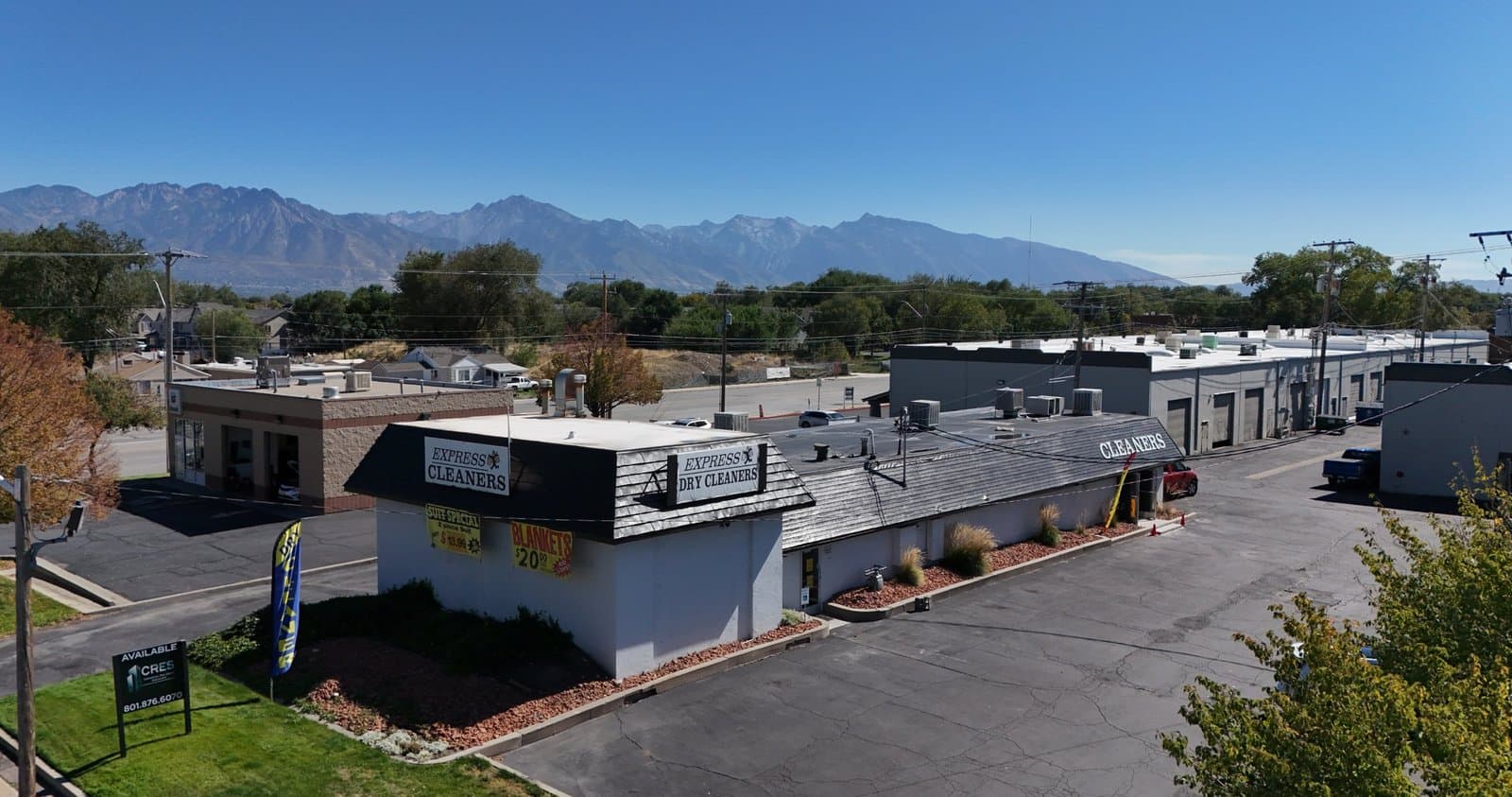
One is on our own list right now: 2324 S Redwood Rd, a drive-thru retail building for sale where a leaseback is on the table for the right buyer and structure. The mechanics in this article are that deal's playbook.
Common questions
What is a sale leaseback?
A transaction where you sell your property and lease it back from the buyer at the same closing, usually NNN for five or ten years, with renewal options where they fit. The business keeps operating in place; the equity converts to cash; the ownership and the rent obligation trade places.
Is a sale leaseback a good idea?
It depends on what the capital would do inside the business. It tends to make sense for a growing company whose returns beat real estate returns, a partner buyout, or an owner who wants the value out without moving. It tends not to make sense when the building is the retirement plan, the horizon in the space is short, or the only way to a good price is a rent the business will resent paying.
How is the leaseback rent set?
It is negotiated together with the price, and the two move each other: more rent and more term support a higher price, and the buyer checks the rent against what the space would fetch without you in it, and the deal against your credit. The discipline is setting the rent at what the business can sustain rather than what the sale price wants it to be.
What are the downsides of a sale leaseback?
You give up the deed, the appreciation, and the exit flexibility that comes with owning, and the rent runs for the full term whether the business is thriving or not. The price also leans on your credit, since the buyer is underwriting the operation as much as the building, and a rent inflated to juice the sale price is the classic self-inflicted wound. If the building is the retirement plan rather than working capital, keeping it usually wins.
What is a leaseback agreement?
The lease you sign back at closing: term, renewals, escalations, and who pays which expenses, typically structured NNN. It travels with the deed, so its quality matters to the buyer as much as the building does, which is exactly why it is the lever that sets your price.
If the building is worth more to the business as capital than as real estate, start with the number rather than the listing. And if the honest answer is keep the building, we will tell you that for free.
Wondering what your building would fetch without handing over the keys?
Start with the number. We build the valuation from closed deals, model the leaseback rent against it, and tell you honestly whether a sale leaseback, a refinance, or a straight sale wins. No cost, and no obligation to do any of them.
Get Our Quarterly Market Report
Salt Lake Valley industrial vacancy, rent trends, and deal data, delivered to your inbox every quarter. No spam.